

How to Cast a Baitcast Reel Without Backlash
May 13, 2026

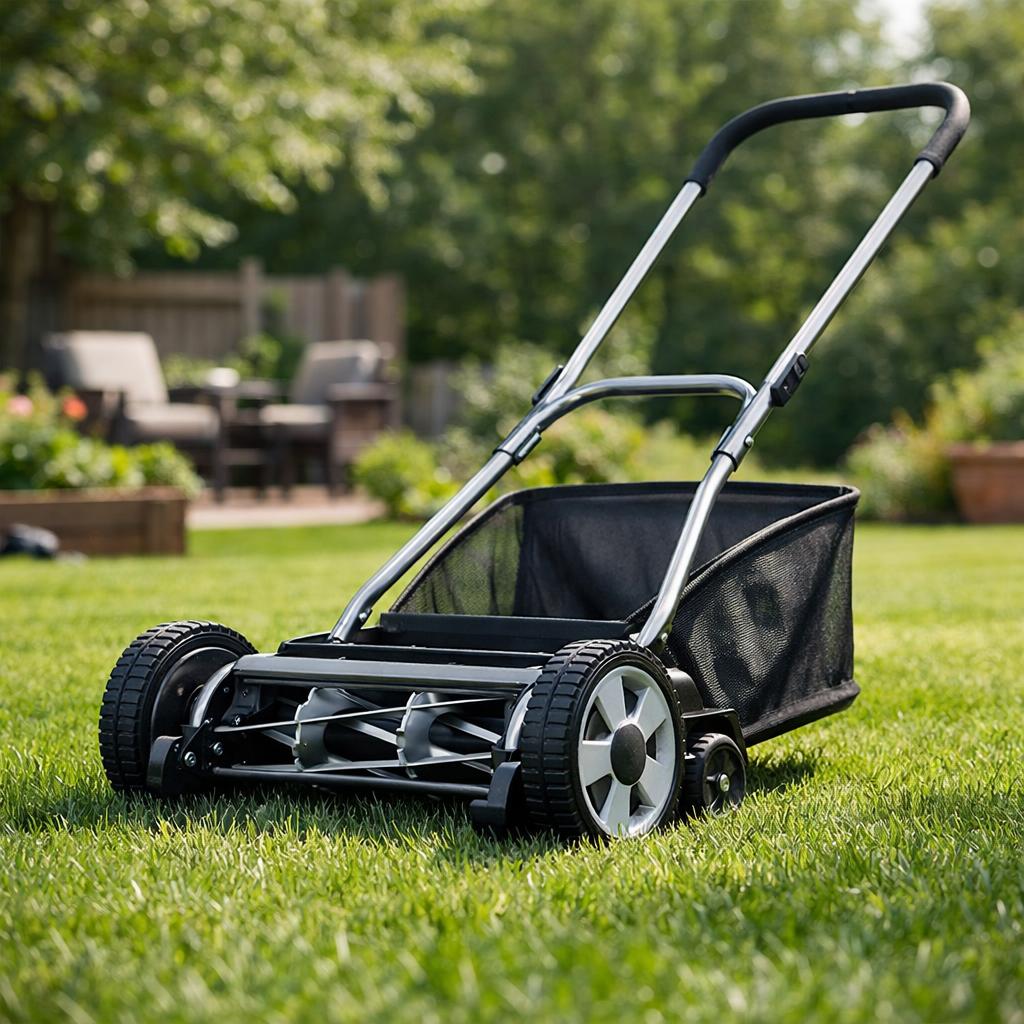
A reel mower is a simple push mower that cuts grass with a spinning cylinder of blades instead of a fast horizontal blade. For many US homeowners, that means quieter mowing, no gas, fewer parts to worry about, and very little routine upkeep. If you are weighing a reel mower vs rotary mower decision, the main difference is the cut itself: a reel mower slices grass like scissors, which can leave a cleaner, neater finish when the lawn is kept at a manageable height.
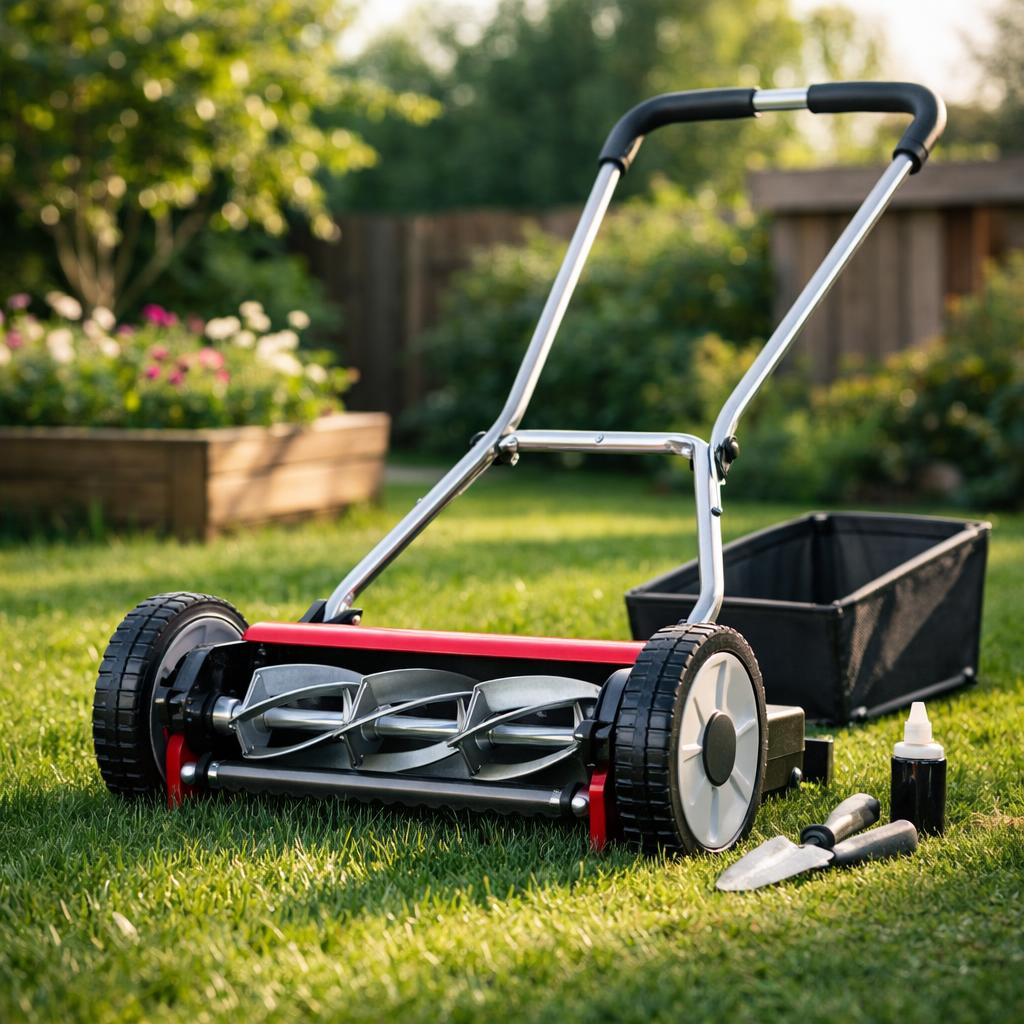
For smaller yards and regular mowing, a reel mower can be practical, affordable, and easy to store. It tends to suit eco-conscious homeowners, beginners, and anyone who does not mind mowing a little more often to avoid overgrowth. If that sounds like your yard, it may be a better fit than a bulkier machine with more power than you really need. For broader lawn mowing tips, it also helps to match your mowing schedule to seasonal growth before choosing any mower style.
A reel mower works best on flat or gently sloped lawns that are cut regularly. It is often the best reel mower for small yard situations because its lighter build and narrower cutting path are easier to handle in tight spaces, around garden beds, and along sidewalks. On many cool-season grasses and well-maintained warm-season lawns, the cut can look sharp and even. But performance depends on lawn size, grass height, and surface conditions. If the yard is rough, heavily thatched, or scattered with sticks, pushing gets harder and the results may look uneven.
As a rule, a reel mower makes the most sense when you mow often enough to remove only a small amount of growth at a time. Thick, tall, or wiry grass can slow down manual models, especially when the lawn is damp. If you are learning how to use a reel mower, start with dry grass, overlap each pass slightly, and mow before the lawn gets too tall. This mower style is usually a strong match for compact suburban lawns, tidy front yards, and homeowners who value low noise, lower operating costs, and a little exercise while they work.
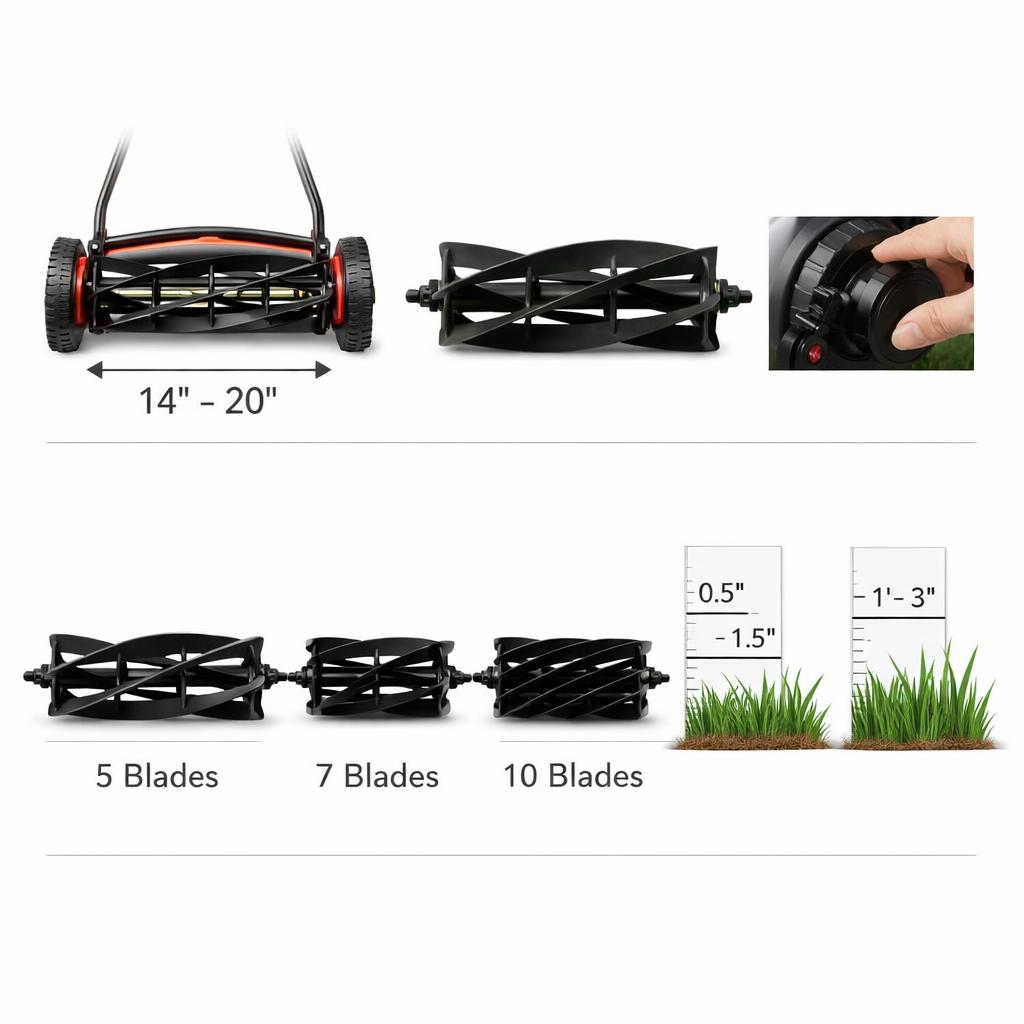
The best model is usually the one that fits your lawn, not the one with the longest feature list. Start with cutting width. A narrower mower is easier to push, turn, and store, while a wider one reduces the number of passes on open ground. Height adjustment also matters because different grass types and seasons call for different mowing heights. Compare overall weight, handle comfort, wheel traction, and how easy the mower is to assemble and adjust. In many cases, a simpler design is a real advantage because it gives you fewer maintenance points and less to troubleshoot later.
Before you buy, be honest about how often you mow. If the lawn regularly gets overgrown, even a well-made manual model may feel frustrating. In a typical reel mower vs rotary mower comparison, the reel mower wins on quiet operation, storage, and simplicity, while a rotary mower usually handles taller grass, uneven patches, and neglected areas more easily. For many homeowners, the right choice comes down to lawn conditions rather than brand hype.
Blade count can affect cut quality, especially on finer turf, but more blades are not always necessary for a standard home lawn. Put the basics first: smooth pushing, dependable height settings, and a width that matches your yard. For small lots, narrow side yards, and lawns with tight turns, a lighter mower often feels better in real use than a wider, heavier model. Good wheel grip also helps on slight slopes or uneven spots. If possible, look for a mower with easy-access adjustment points so routine setup does not become a chore.
It also helps to think about your storage space and mowing habits. If you need something compact for a garage shelf or shed corner, a lightweight reel mower can be easier to live with than a larger machine. Homeowners who mow weekly often appreciate how quick it is to pull out, use, and put away. That convenience matters just as much as technical specs, especially if you want a mower you will actually enjoy using.
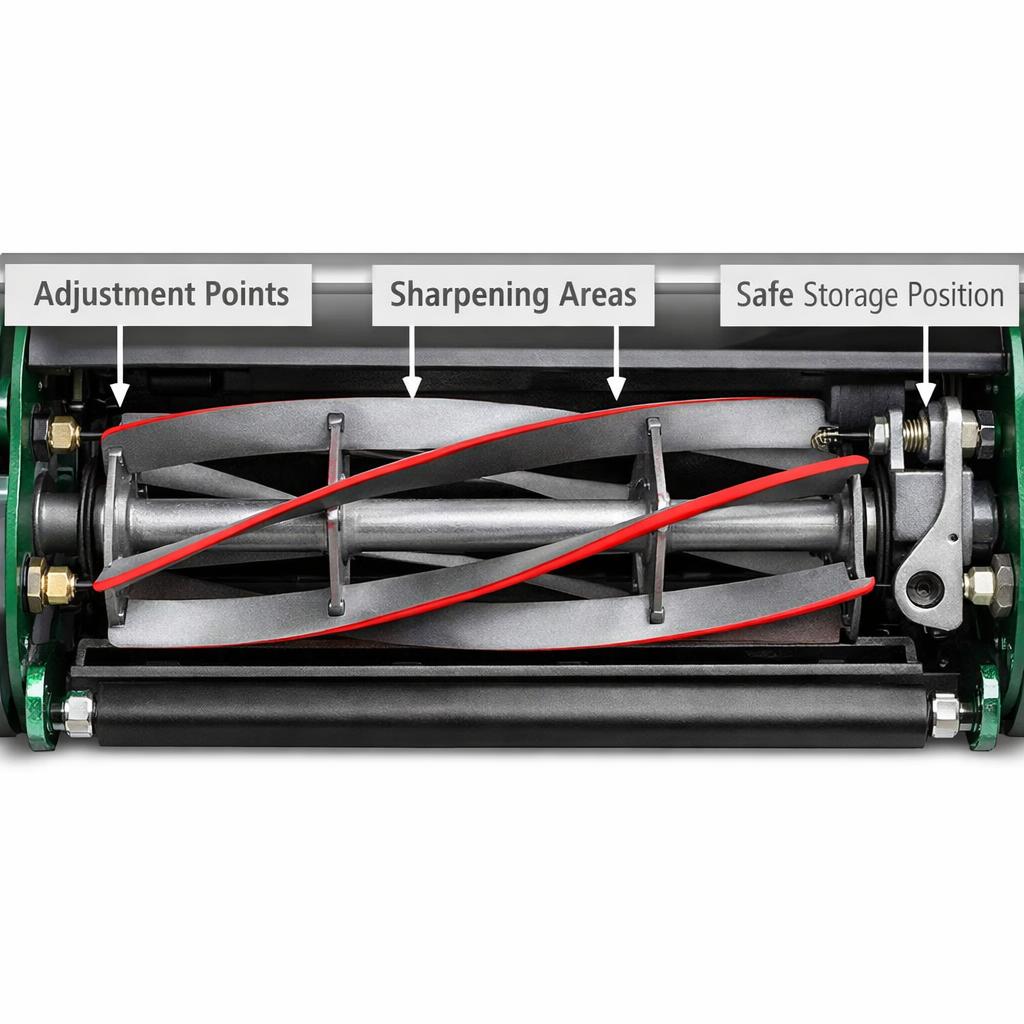
Routine care is one of the biggest advantages of a reel mower. After each use, brush off clippings and check for twigs, pebbles, or other debris caught between the reel and bed knife. Keep the mower clean and dry, and store it under cover to help prevent rust. If pushing starts to feel rough or the lawn looks torn instead of neatly cut, inspect the blade contact, wheel movement, and adjustment points before assuming the mower is worn out.
If you are researching how to sharpen a reel mower, the right schedule depends on how often you mow and whether the blades hit grit, sand, or sticks. Many homeowners get good results with occasional sharpening plus periodic reel-to-bed-knife adjustment to maintain the clean scissor action that makes this mower effective. Avoid putting the mower away wet, and check fasteners, handles, and wheels from time to time so small issues do not turn into bigger repairs.
Good mowing habits also reduce wear. Try to mow when the grass is dry, avoid running over debris, and do not force the mower through overgrown patches all at once. If the lawn gets too tall, you may need to make more than one pass or trim the area down gradually. For step-by-step upkeep, see this reel mower maintenance checklist if available on your site.
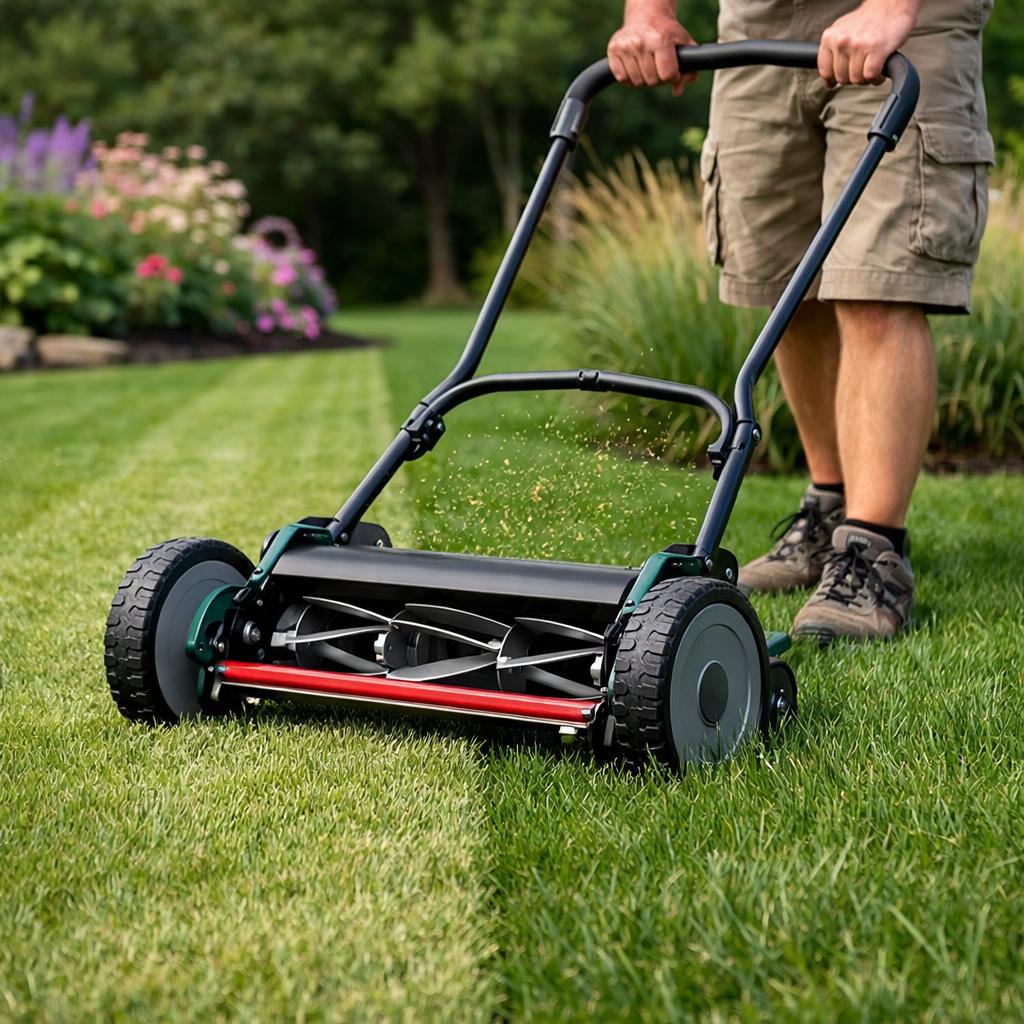
A reel mower is a strong option for homeowners who want a quiet, simple way to maintain a small or well-kept lawn. It is not the best match for every yard, especially if your grass grows fast, gets tall between cuts, or sits on rough ground. But when the lawn is mowed regularly and conditions are fairly even, a reel mower can deliver a clean cut with very little maintenance.
The key is to choose based on your actual yard size, grass type, terrain, and mowing routine rather than buying the biggest model you can find. Focus on manageable cutting width, useful height settings, and basic upkeep, and you will avoid most of the common frustrations. For many beginners, that balance of simplicity, control, low operating cost, and easy storage is exactly what makes a reel mower worth considering.
No. A reel mower can work very well on many lawn grasses, especially when the lawn is flat and cut often, but it is not ideal for every situation. Very tall, coarse, or tough grass can be harder to cut cleanly with a manual reel mower. Results also depend on moisture, thickness, and terrain, so performance varies from yard to yard.
There is no single schedule that fits every lawn. Sharpen when the mower starts tearing instead of slicing, when cut quality drops, or after the blades hit sand, sticks, or other abrasive debris. For many homeowners, periodic inspection and adjustment matter just as much as sharpening because proper blade contact is essential for a clean, even cut.
This author has not provided a bio yet.
May 13, 2026
May 13, 2026
May 12, 2026