

How to Cast a Baitcast Reel Without Backlash
May 13, 2026

A film reel is the round spool that holds motion picture film before, during, and after projection, editing, or storage. If you have ever asked what is a film reel, the short answer is simple: it keeps a long strip of film organized, protected, and ready to move smoothly through a camera, projector, or rewinder. Without reels, film would be far harder to transport, thread, screen, or store without tangling or damage.
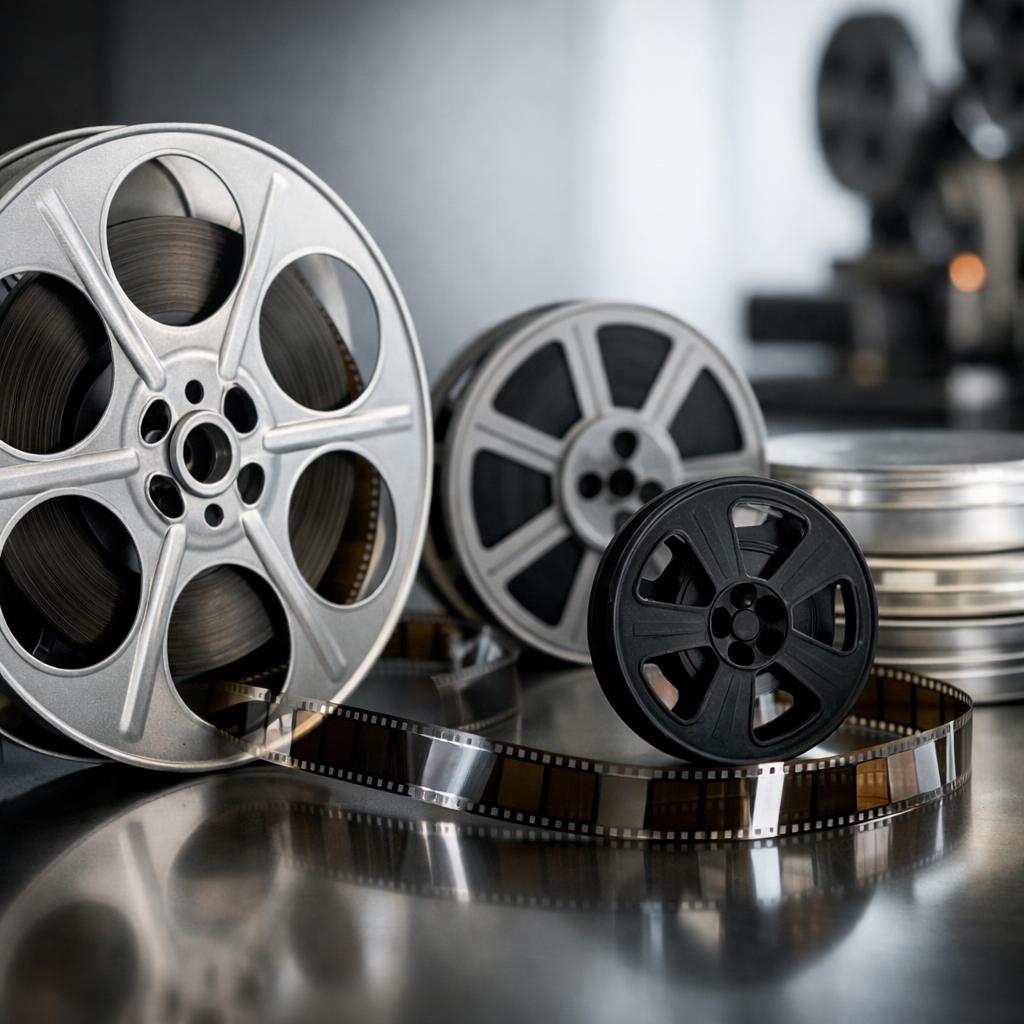
For collectors, students, home movie fans, and anyone curious about analog cinema, understanding the film reel helps make old movie equipment much less mysterious. Reel size affects running time, film gauge affects image area, and reel condition can determine whether a print runs safely. This guide covers how does a film reel work, breaks down film reel sizes explained in plain language, and shows why reels still matter for film history, collecting, and preservation. For more context on gauges, see this film formats guide.
A film reel is usually made from metal or plastic and built around a center hub with spokes or solid flanges that support wound film. The reel does not create the image itself; it simply carries the film stock, which contains the frames, perforations, and sometimes a soundtrack area. In real-world use, the reel is part of a larger system that can include leaders, cans, cores, projectors, rewind benches, and inspection tools. Its simple design was one of the reasons film distribution became practical, because prints could be shipped in manageable sections and assembled for screening.
Reels matter because their design affects both usability and survival. A sturdy, properly sized reel helps maintain even winding tension, lowers the chance of edge wear, and makes threading easier. In projection booths, that meant more reliable playback and fewer interruptions. In archives and private collections, reels can help identify a print’s gauge, capacity, and sometimes even its era. Labels, manufacturer marks, patina, and handwritten notes may reveal where a print was screened, who owned it, or how it was stored over time.
That is also why the term film reel still comes up so often in conversations about cinema history. Even when the movie is the main focus, the reel tells part of the story too. A collector may value an original labeled reel because it adds context to the print, while a preservation-minded owner may choose a better reel to reduce stress on aging film. In both cases, the reel is not just packaging; it is part of how film was handled and understood.
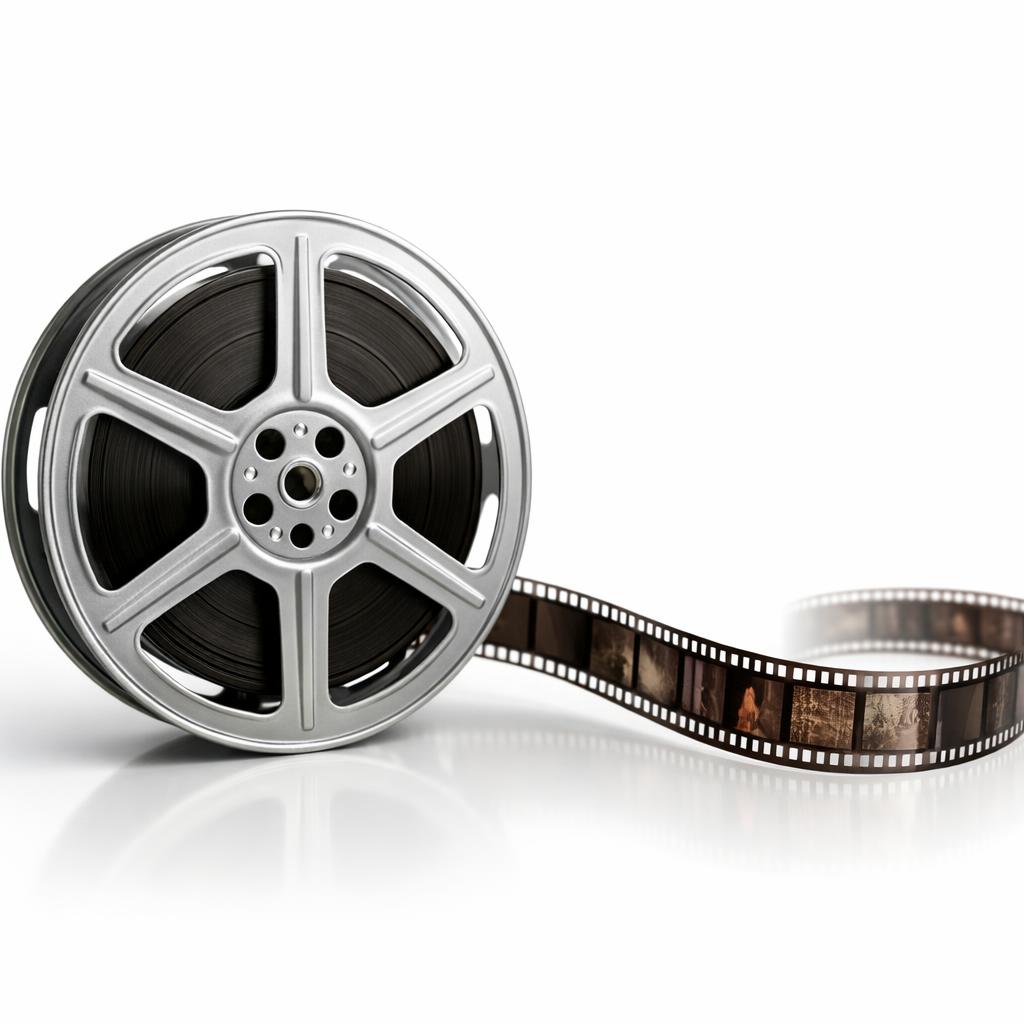
In projection, a loaded reel sits on a feed arm and releases film at a controlled pace as the projector pulls frames forward one by one for illumination. The film moves across rollers, through the gate, and onto a take-up reel, which gathers it into a neat coil. This is the basic answer to how does a film reel work: the reel supplies and collects the film, while the projector controls transport, light, and image display. Good winding tension matters, because film that is too loose or too tight can develop scratches, cinch marks, or unstable movement during playback.
For storage, reels keep film contained, but the spool alone does not guarantee safe preservation. Film should be wound evenly, stored in a cool, dry place, and checked for issues such as warping, brittleness, damaged perforations, or a vinegar-like odor. Many collectors use vented cans or archival containers and avoid damp basements, hot attics, or direct sunlight. If you are sorting older prints, it helps to review film preservation tips so you can reduce handling damage and extend the life of physical media.
When people look for film reel sizes explained, the most important distinction is this: reel diameter and film gauge are related, but they are not the same thing. Gauge refers to the width of the film, such as 8mm, 16mm, or 35mm. Reel size refers to the diameter of the spool and, by extension, how much film it can hold. A small 3-inch or 5-inch reel may carry a short home movie, while larger 7-inch, 10.5-inch, or 15-inch reels can hold much longer lengths depending on gauge and stock thickness.
In home movie collections, 8mm and Super 8 usually appear on smaller reels. Many educational, classroom, and collector prints in 16mm show up on mid-size or larger reels. Commercial theatrical releases were often distributed on 35mm reels, usually split across several reels for a full feature. Running time is not identical across all prints, so two reels of the same diameter may hold different amounts if the film stock differs. The easiest way to identify what you have is to check the film width, reel diameter, hub style, and any markings stamped into the flange or printed on the label.
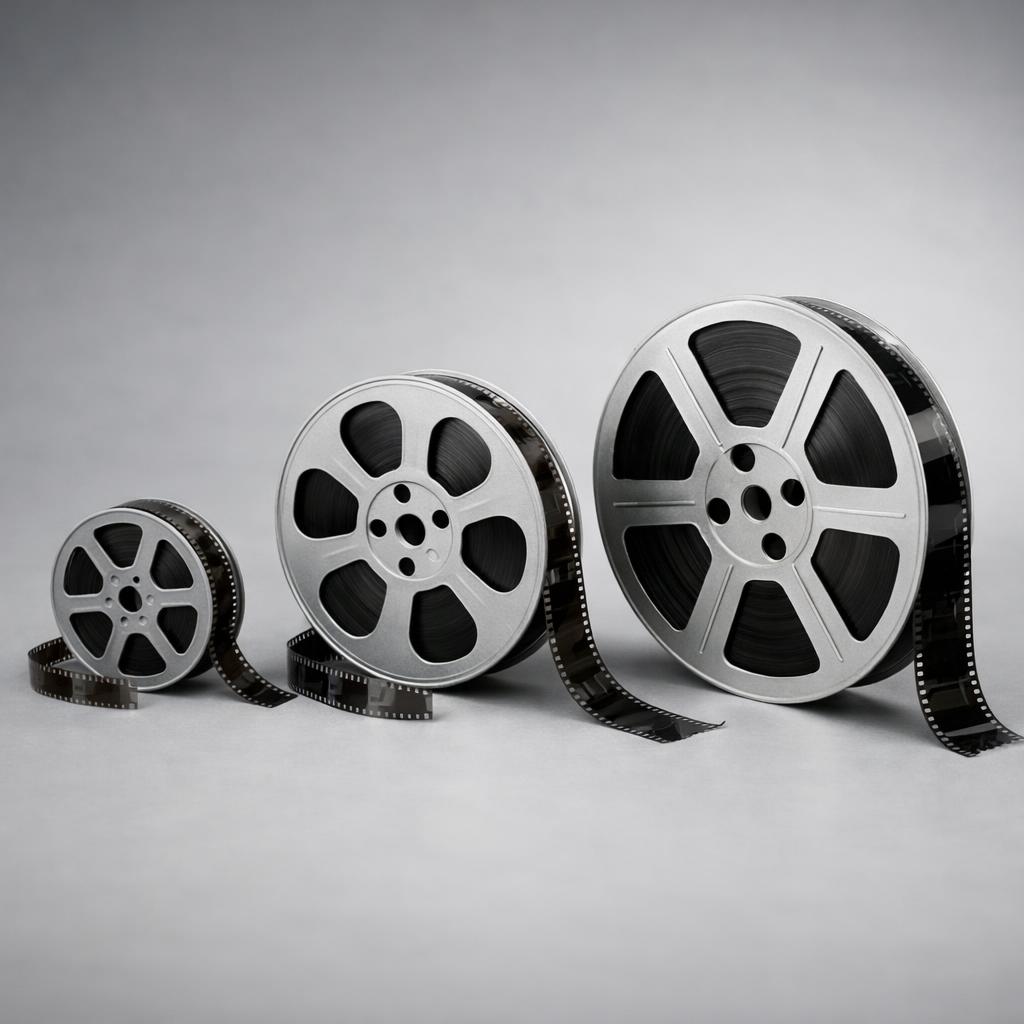
To identify a reel, start with the basics: material, diameter, center hole shape, spoke pattern, and any printed or handwritten labels showing the gauge or footage length. If film is still on the reel, look closely at the width and perforation pattern, since 8mm, 16mm, and 35mm are usually easy to tell apart once compared side by side. For collectors interested in collecting vintage film reels, details such as original boxes, leaders, shipping notes, and studio or school markings can make a real difference in value and historical interest.
Handling matters just as much as identification. Hold reels by the edges when possible, keep hands clean and dry, and never force bent flanges or badly over-tightened windings. If a reel looks rusty, cracked, or warped, inspect it carefully before running it through any equipment. Many collectors keep a simple inventory listing title, gauge, reel size, condition, and storage date so they can track what they own and spot problems early. Even if a reel is no longer used for projection, it can still be collectible as a piece of cinema history, especially when the branding or labels are intact.
For anyone buying reels at flea markets, estate sales, or online listings, condition is worth checking before price. Ask whether the film smells sharp or acidic, whether the reel turns freely, and whether the flanges are bent. A nice-looking reel can still hide damaged film, while an ordinary-looking one may contain something rare or historically useful. Whether you plan to display reels, project them, or preserve family footage, a careful approach will protect both the spool and the film wound around it.

A film reel is more than a familiar symbol of old movies. It is a practical tool that made motion picture shipping, projection, handling, and storage possible across home, educational, and theatrical settings. Once you understand what a film reel is, the rest becomes easier to follow: the reel holds the film securely, supports smooth movement through equipment, and helps determine how much footage can fit on a spool.
Learning the basics of reel sizes, gauges, and handling is useful whether you are identifying family films, shopping for vintage equipment, or preserving older prints. From small 8mm home movies to large 35mm theatrical reels, each format reflects a different part of film history. Reels may feel historic today, but they still matter as physical evidence of cinema craft, collecting culture, and long-term preservation.
Film reels come in a wide range of diameters. Small home movie reels are often around 3 to 7 inches, while larger 16mm and 35mm reels may be 10.5 inches, 15 inches, or more. Size alone does not tell you everything, because capacity depends on both film gauge and stock thickness. In general, a larger reel holds more footage and allows longer running time.
Yes, although they are much less common than they were during the height of film projection. Reels are still used in archives, specialty theaters, film schools, private collections, and by hobbyists who preserve or screen physical prints. They also remain valuable historical objects because original reels, labels, and cans can document how films were distributed, shown, and stored.
This author has not provided a bio yet.
May 13, 2026

May 13, 2026
May 12, 2026