
How to Cast a Baitcast Reel Without Backlash
May 13, 2026

If you're wondering how to fix a running toilet, the good news is that this is usually an easy DIY repair. In most cases, the cause is something simple inside the tank, such as a loose chain, a worn flapper, or a fill valve that needs a small adjustment. With a quick inspection and a few basic tools, you can stop the constant sound, prevent water waste, and avoid an unnecessary plumbing bill.
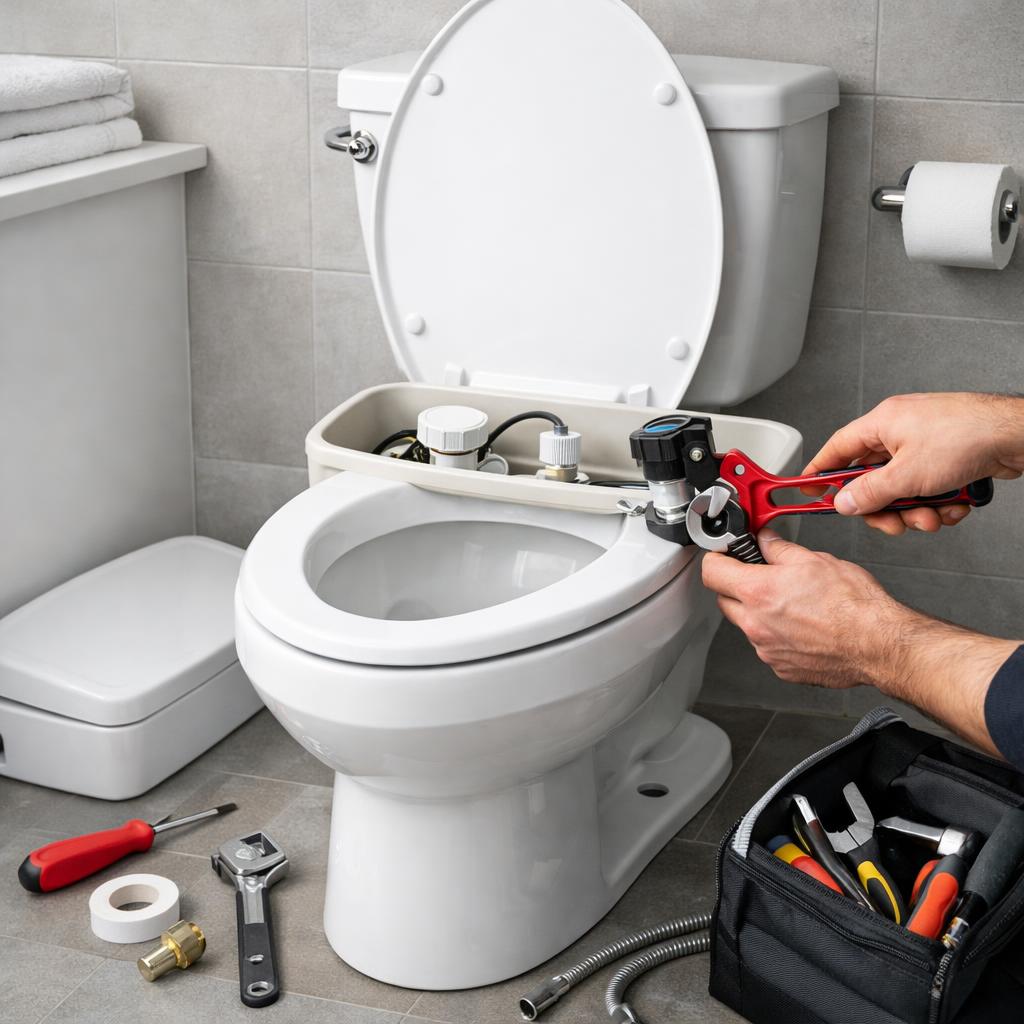
A running toilet typically means water is slipping from the tank into the bowl, or the tank is filling past the correct level. Before you replace anything, it helps to check each tank part in order so you can pinpoint the problem quickly.
A toilet keeps running when the tank cannot seal properly or when the refill system fails to shut off at the right water level. Remove the tank lid carefully, listen for the sound of moving water, and watch the tank after a flush to see what happens next.
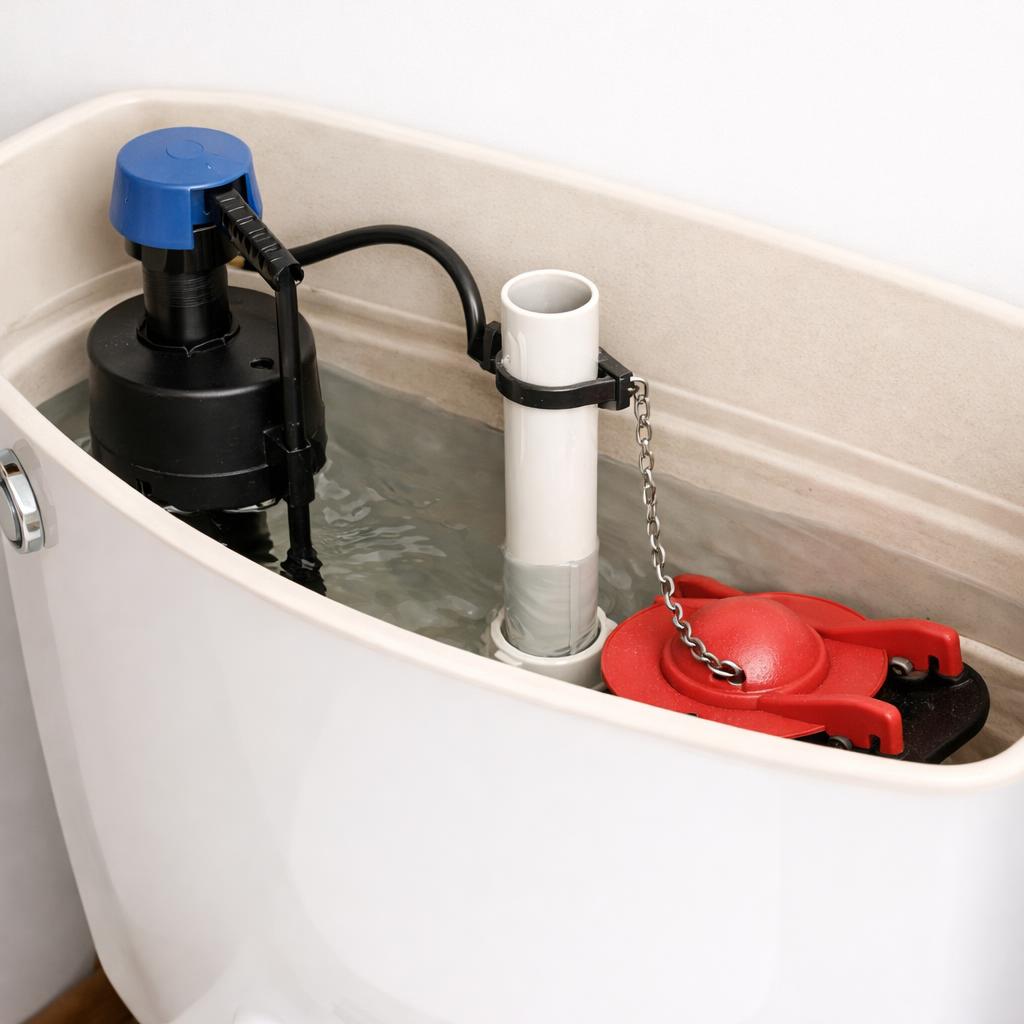
You usually do not need much to learn how to fix a running toilet without a plumber. Most repair parts are affordable and easy to find at any hardware store.
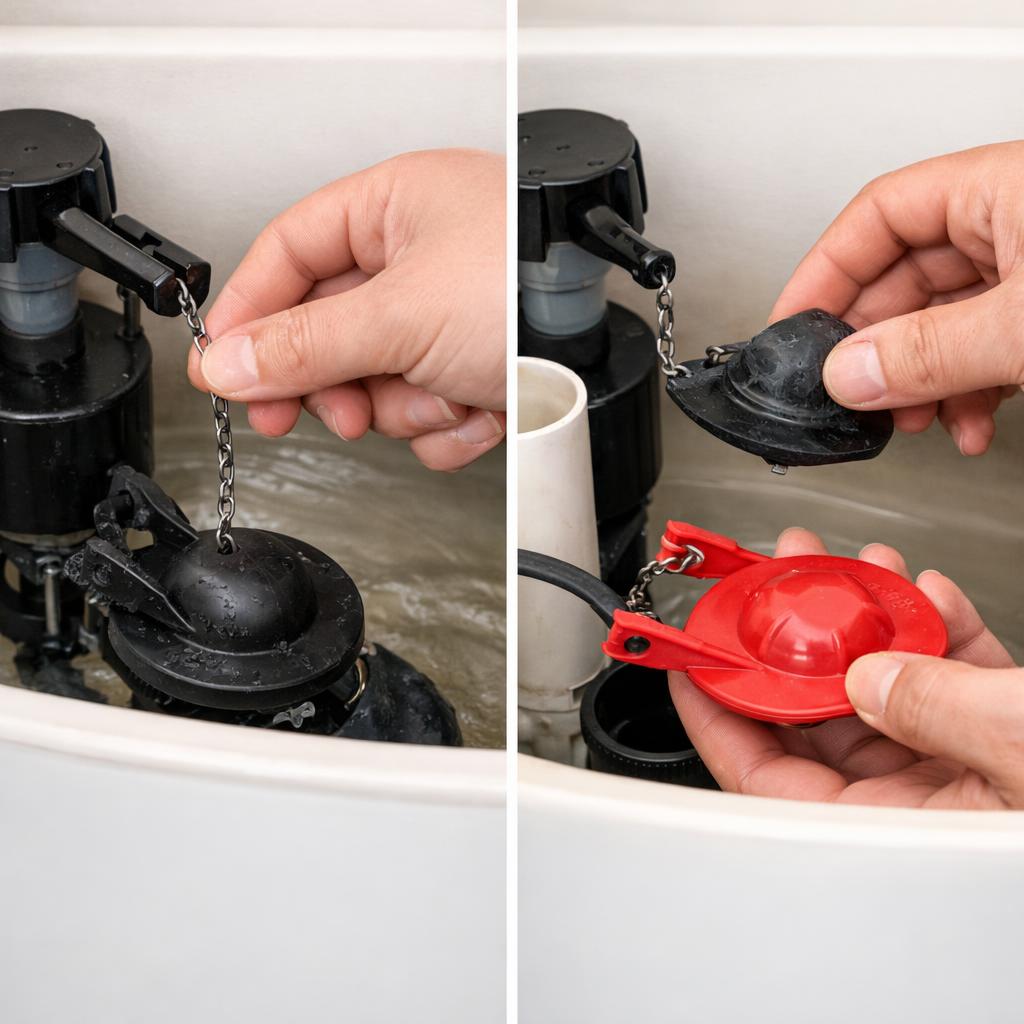
Turn off the shutoff valve behind the toilet and flush once to lower the tank water. Lift off the lid and place it on a safe, flat surface. Then check whether the flapper sits flat over the flush valve opening and whether the chain has a little slack instead of pulling tight.
If you need to know how to stop a toilet from running continuously, start with simple adjustments before buying new parts. Reposition the chain so it is neither too loose nor too tight. Next, adjust the float so the water line stays slightly below the top of the overflow tube. If your fill valve has a screw or adjustment clip, lower the setting a bit and test the toilet again.
This is also the basic approach for how to adjust toilet fill valve and float settings. Flush once more and confirm that the water stops at the correct level.
If the flapper looks warped, cracked, stiff, or coated with buildup, replace it. For easy running toilet flapper replacement steps, unhook the old flapper, snap the new one onto the side pegs, and reconnect the chain with light slack. If the toilet still runs after that, the fill valve may be failing and should be replaced according to the manufacturer's directions.
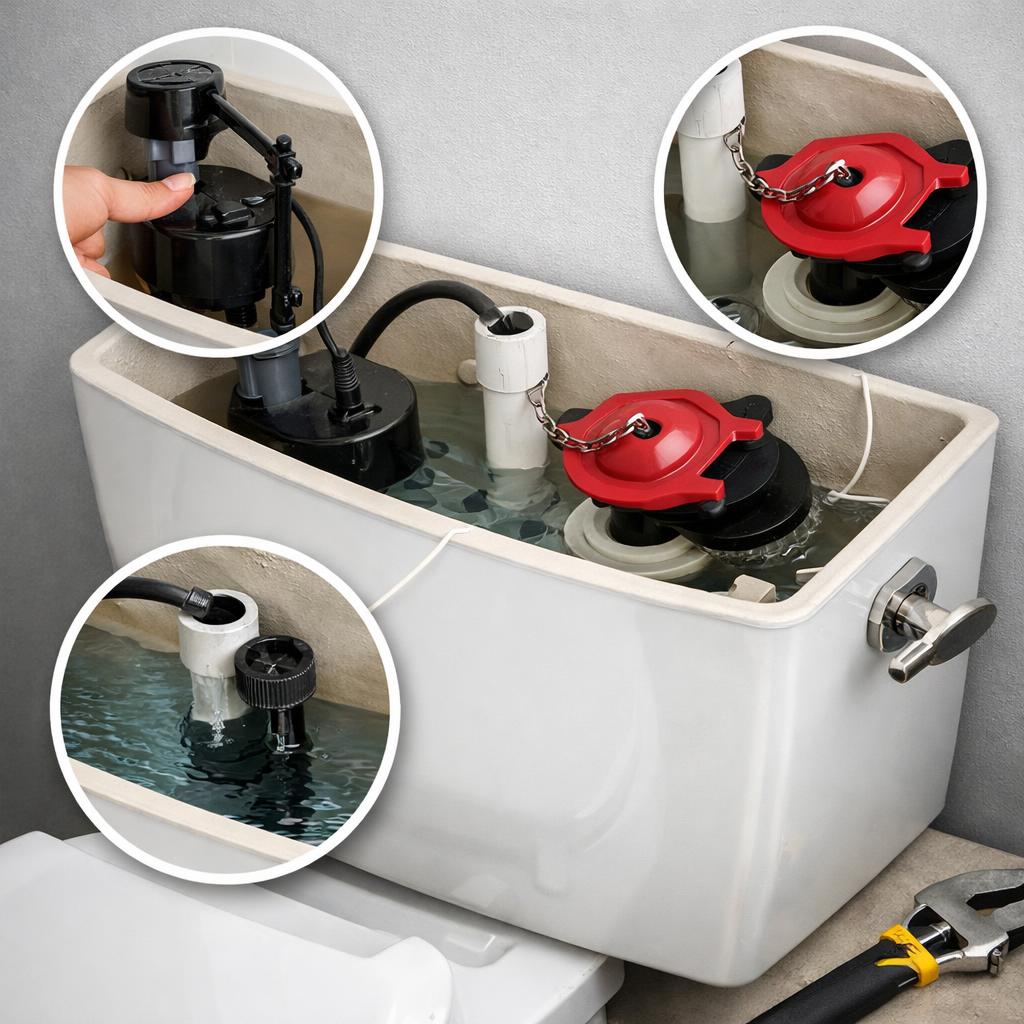
Small mistakes can keep the toilet running or even make the problem worse.
Most homeowners can fix a basic running toilet, but some signs suggest a larger plumbing issue that needs professional help.
Learning how to fix a running toilet can save water, lower utility costs, and get rid of an annoying problem in less than 30 minutes. In many cases, a quick chain adjustment, float reset, or flapper replacement solves it. If not, replacing the fill valve or calling a plumber is the next practical step.
The most common causes are a worn flapper, a chain that is too tight or tangled, or a fill valve that does not shut off correctly.
Yes. Many toilets can be fixed by adjusting the chain, float, or water level. If a seal or valve is worn out, though, replacing the part is usually the best solution.
A running toilet can waste a large amount of water over time, especially if it never stops refilling. Fixing it quickly helps reduce waste and keeps your water bill under control.
This author has not provided a bio yet.
May 13, 2026
May 13, 2026
May 12, 2026