
Reel Lawn Mower Guide: Pros, Cons, and How to Choose
May 13, 2026

Learning to cast baitcast reel setups can feel intimidating at first, but the basics are usually easier than new anglers expect. If you want better control, cleaner casts, and fewer frustrating bird nests, focus on a calm setup and a smooth motion instead of trying to bomb a lure as far as possible. Small adjustments matter, especially in the beginning. For a broader look at matching gear, start with baitcaster setup basics.
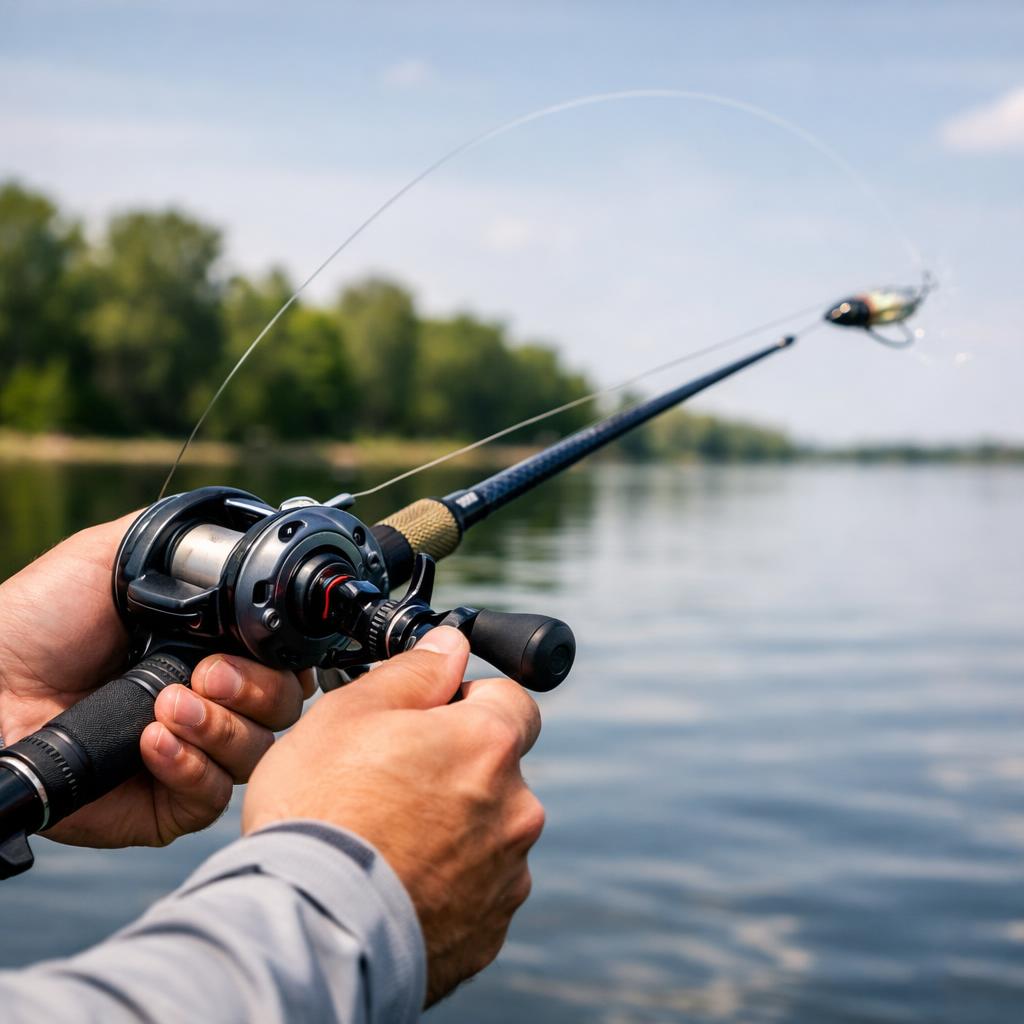
This guide explains how to cast a baitcast reel in a simple, practical way. You will learn how to set spool tension and brakes, how to manage the spool with your thumb, and what to change when backlash, short casts, or poor accuracy show up. Since brake layouts, spool tension systems, and lure-weight ranges vary by reel, always check your rod and reel specs before making adjustments.
A good setup prevents many beginner problems before you ever make a cast. Start by pairing your reel with a lure weight your rod handles comfortably. For practice, many anglers do better with a slightly heavier, compact lure because it loads the rod more predictably than a very light or wind-resistant bait. If you are still putting your combo together, it helps to choose the right baitcasting rod and line so the rod, reel, line, and lure work together.
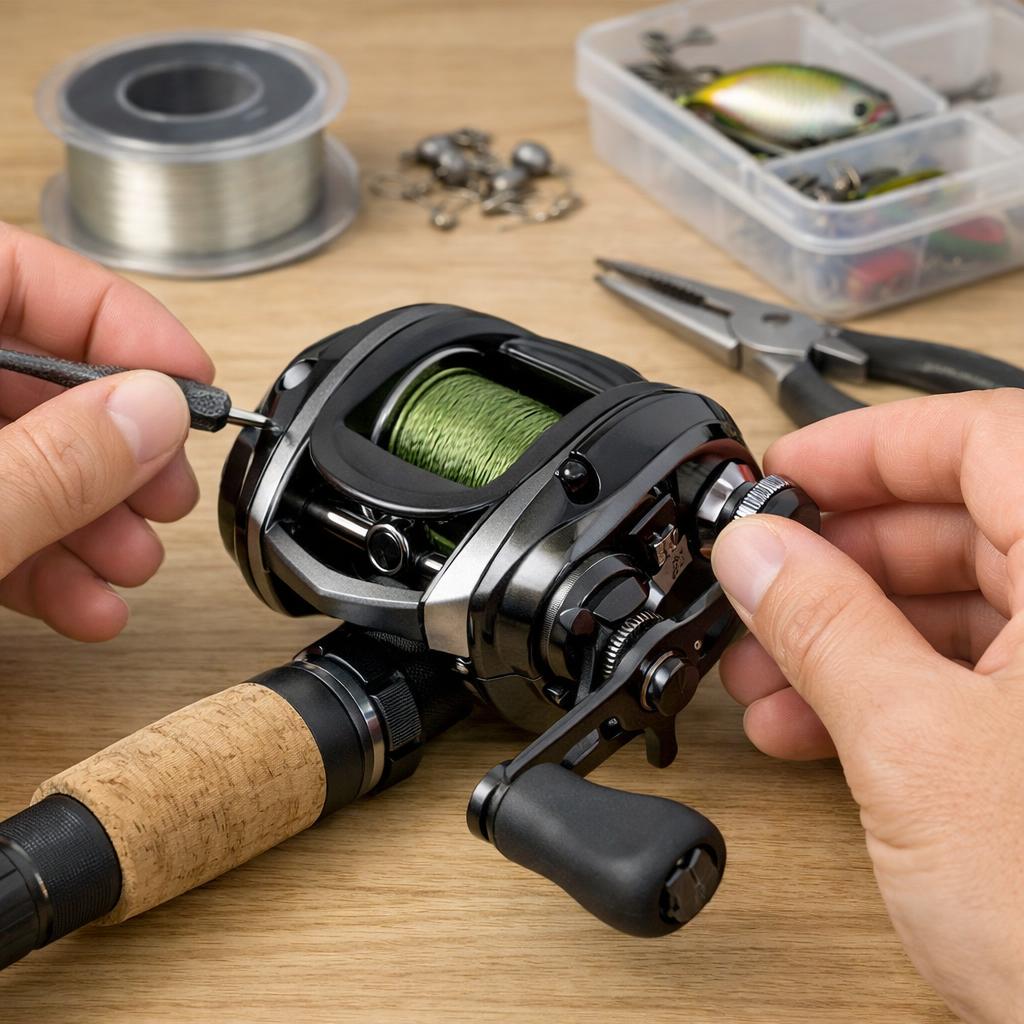
To dial in beginner-friendly settings, tie on your lure, hold the rod level, press the thumb bar, and loosen the spool tension knob until the lure drops slowly. Tighten it just enough so the spool does not keep spinning after the lure touches down. Then set the brakes on the higher side for extra control. Keep your thumb lightly on the spool from start to finish. This conservative setup gives you a forgiving starting point and makes it much easier to learn how to use a baitcaster without backlash.
Spool tension and brakes do different jobs, so think of them as separate tools. Spool tension helps control how freely the spool starts, while the braking system slows spool speed during the cast. Most beginners learn faster by running more brake than they think they need, then reducing it little by little as timing improves. If your reel uses magnetic, centrifugal, or dual brakes, follow the manufacturer’s guidance because each system responds a bit differently.
Lure choice matters just as much as reel settings. A compact lure with enough weight to bend the rod smoothly is usually easier to cast than a light bait that catches wind. Wind itself can create problems, so practice in open space and avoid casting straight into a hard breeze at first. When you are learning to cast a baitcast reel, control is more important than distance. Once the spool stays calm on shorter casts, longer and more accurate casts become much easier.
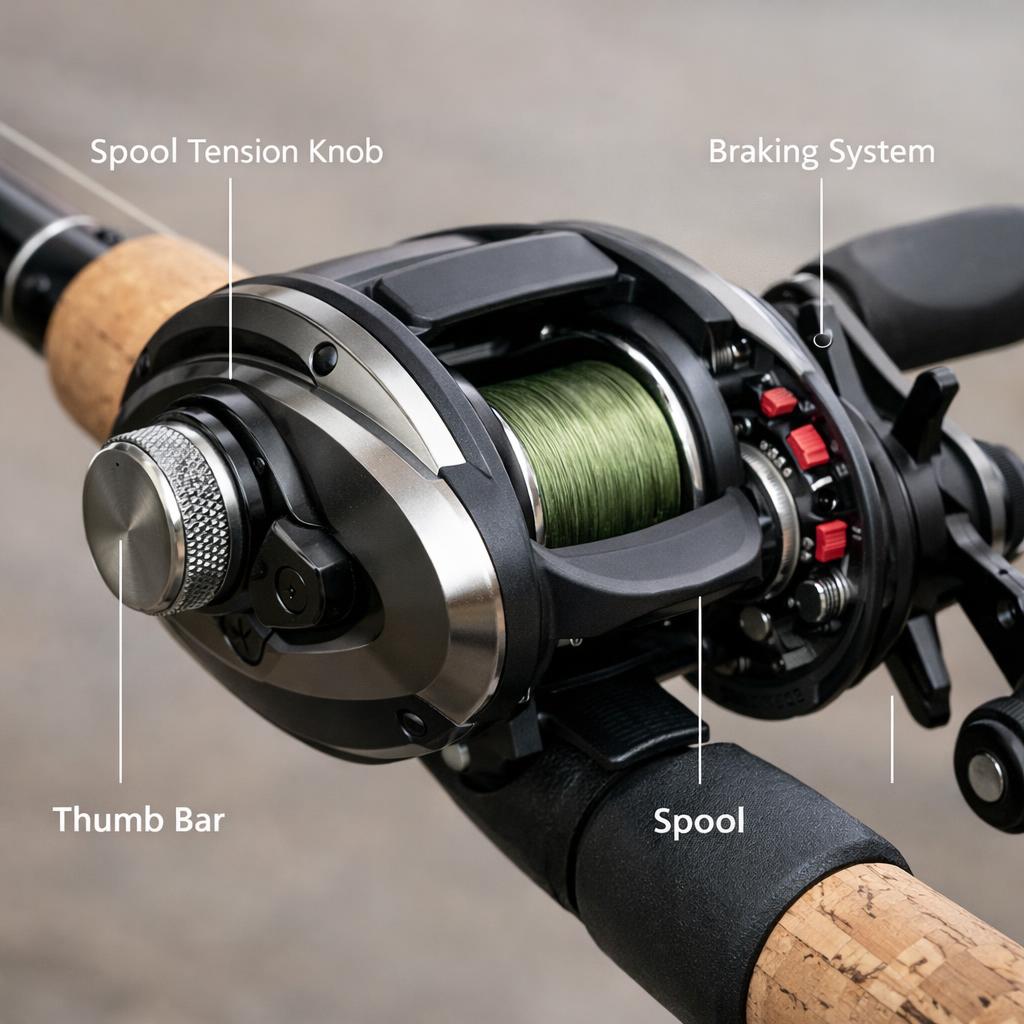
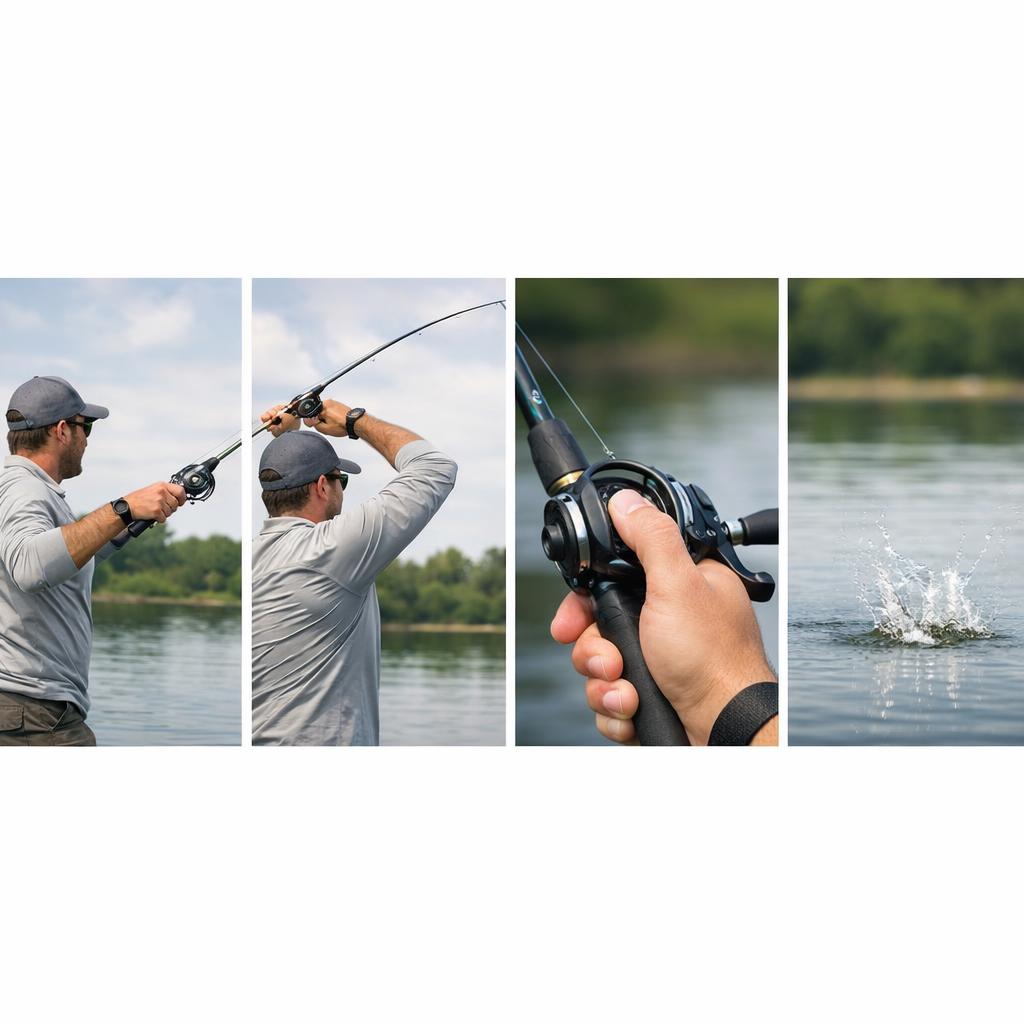
When you cast baitcast reel gear well, the motion feels fluid and controlled, not rushed. Start with about 8 to 12 inches of line between the rod tip and the lure. Rest your thumb on the spool, press the thumb bar, and keep light pressure so the spool does not spin too early. Bring the rod back, then move forward in one steady motion. As the rod comes through, ease off thumb pressure near the release point, but do not lift your thumb completely away. Let it hover with gentle contact so you can slow the spool instantly if needed.
That thumb control is what separates a clean cast from a backlash. A common beginner mistake is overpowering the cast with too much arm speed. The spool then spins faster than the lure can pull line, and loose coils build up fast. Instead, let the rod do more of the work. A smooth loading and unloading motion sends the lure out cleanly and keeps the spool under control. Aim for a simple sidearm or overhead cast first, and save fancy roll casts, skipping, and pitching for later.
Your release point also affects accuracy and flight. On a normal forward cast, release too early and the lure climbs high or goes off target. Release too late and it drives low into the water or ground. Practice with short targets in an open area and pay attention to how small timing changes affect where the lure lands. Just before splashdown, press your thumb down more firmly to stop the spool. That final touch is one of the best habits you can build if you want to cast a baitcast reel cleanly and consistently.
If you keep getting backlash at the start of the cast, your spool may be too loose, your brakes may be set too low, or your casting motion may be too abrupt. Tighten the tension slightly, add more brake, and slow down your forward acceleration. If backlash happens near the end of the cast, the lure is no longer pulling line fast enough, so stay in contact with the spool and feather it sooner as the lure drops.
If your casts are short, check whether your brakes are set too high or your lure is too light for the rod. It can also mean you are not loading the rod enough on the backcast. If your accuracy is inconsistent, shorten your casting distance and work on a repeatable motion before trying for more range. Many anglers improve faster by aiming at close targets and making dozens of controlled casts rather than a few hard ones. Once your motion feels repeatable, you can gradually back off the brakes and add distance.
To cast a baitcast reel without backlash, keep the process simple: start with a balanced setup, use enough brake for control, and make smooth casts with steady thumb contact on the spool. Most problems come from trying to cast too hard, using the wrong lure weight, or backing off the brakes too soon. Practice with short casts first, make one adjustment at a time, and build confidence before chasing distance. If you stay patient, a baitcaster becomes one of the most accurate and satisfying reel styles to fish.
Why does my baitcaster backlash every cast?
Usually because the spool is spinning faster than the lure is pulling line. Start with higher brake settings, slightly tighter spool tension, and a smoother cast. Keep your thumb in light contact with the spool the whole time.
What is the easiest lure weight for beginners?
A compact practice lure in the middle of your rod’s recommended range is often easiest. Extremely light lures are harder to control and usually make learning more frustrating.
Should I use spool tension or brakes to fix backlash?
Use both, but for different reasons. Spool tension fine-tunes startup control, while brakes manage spool speed during the cast. For most beginners, adding brake is the easiest first adjustment.
How far should I try to cast when learning?
Keep it short at first. Short, controlled casts help you build timing, thumb control, and accuracy faster than trying to cast as far as possible.
Can I learn to cast baitcast reel setups in windy conditions?
Yes, but calm conditions are much easier for practice. Wind slows the lure and can make the spool overrun, especially with lighter baits.
References: Manufacturer reel manuals, rod and line specifications, and on-the-water practice guidance from standard bass fishing and tackle setup resources.
This author has not provided a bio yet.
May 13, 2026
May 12, 2026