

How to Cast a Baitcast Reel Without Backlash
May 13, 2026

Knowing how to download files safely is a basic online skill that can save time and prevent problems. Whether you need an app, PDF, photo, video, or software installer, the steps are usually easy, but it still pays to be careful. Fake download buttons, suspicious websites, and broken files are common issues. This guide shows you how to download files quickly on different devices, stay protected, and solve simple problems fast.

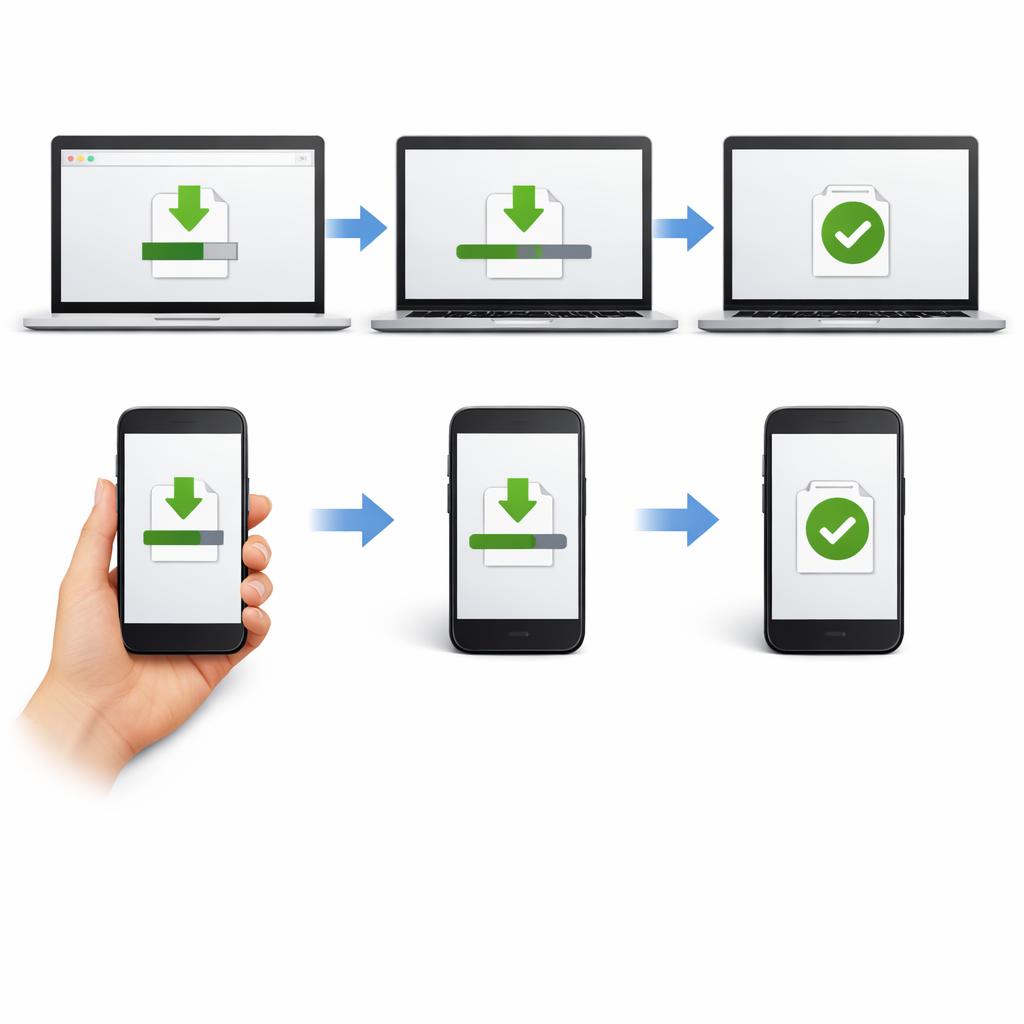
On most devices, the process is very similar. Start by visiting a trusted website or official app store. Find the file you want, then click the Download button. Your browser may ask where to save it, or it may send it straight to your default folder. After the download finishes, open the file only if you recognize and trust the source.
On Windows and Mac, files downloaded in a browser usually go to the Downloads folder. On Android, they often appear in the Files or Downloads app. On iPhone, most downloaded items are stored in the Files app. If you want to know how to download on any device, the safest method is the same everywhere: use a reliable source, confirm what you are saving, and check the file before opening it.
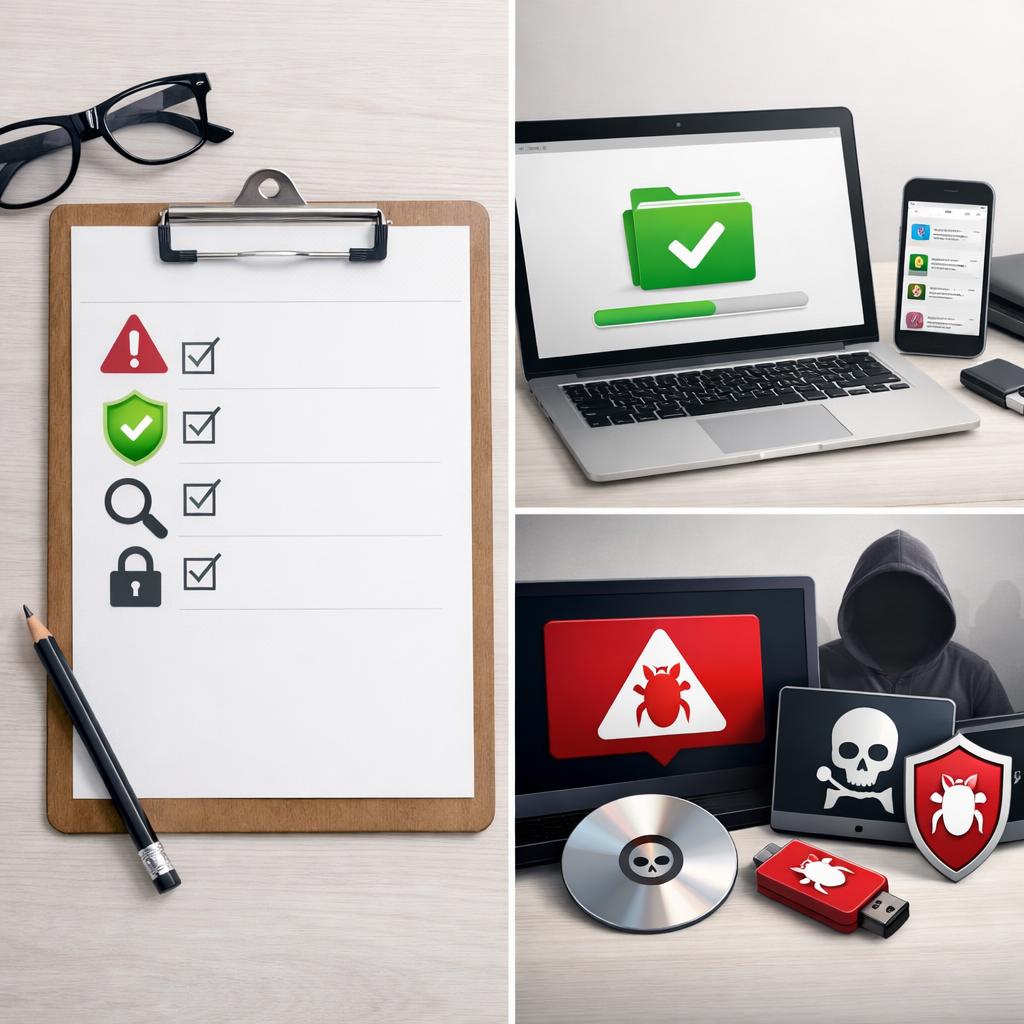
If you want to learn how to download files safely, always check the source first. Be cautious with unknown pages filled with pop-ups, redirects, or copied software. Official developer websites, trusted cloud links, and recognized app stores are usually the safest places to download. These habits lower the risk of malware, spyware, and unwanted programs.
These are common red flags. If something feels off, leave the page and look for a better-known source.
Many people ask how to find downloaded files. On a computer, check the Downloads folder first. On a phone or tablet, open the Files app, Downloads section, or browser download history. If your storage is almost full, downloads may fail or stop halfway, so clear out old files or move large items to cloud storage or an external drive.
Most browsers let you pick a default download folder or ask where to save each file. This makes it easier to stay organized, especially if you download documents, images, or media every day. You can also review recent downloads in your browser history to find a file again quickly.

Download problems are often caused by weak Wi-Fi, low storage, browser extensions, or security settings. In many cases, restarting the browser, checking your internet connection, and trying again solves the issue right away.
If you are wondering, why is my download so slow, it may be due to network traffic, a large file, or other apps using bandwidth. Pause streaming, switch to a stronger connection, or try again later. If a file is blocked, read the warning carefully instead of forcing it open. If the download is incomplete, delete the damaged file and restart from the original source.
Following these simple habits makes every download safer, faster, and easier to manage.
A safe download starts with choosing a trusted source, clicking carefully, and knowing where the file is saved. Whether you use Windows, Mac, Android, or iPhone, the same rules apply: stay alert, keep your device updated, and avoid suspicious pages. With these steps, you can download files with more confidence and fix common issues quickly.
Use an official or trusted source, verify the file name, avoid fake buttons, and let your browser or security software scan the file before opening it.
They usually go to the Downloads folder on computers and the Files or Downloads app on phones and tablets, unless you changed the save location.
Typical causes include weak internet, low storage, browser problems, or security warnings. Check your connection, free up space, and retry the download from the original source.
This author has not provided a bio yet.
May 13, 2026

May 13, 2026

May 12, 2026