

How to Cast a Baitcast Reel Without Backlash
May 13, 2026

A user manual guide helps people use a product safely, correctly, and with less guesswork. Whether you run a SaaS tool, sell a device, or manage internal documentation, a clear manual improves the user experience, reduces support requests, and builds trust. In this article, you’ll learn what a user manual guide is, what it should contain, and how to write a user manual guide that people can actually follow.
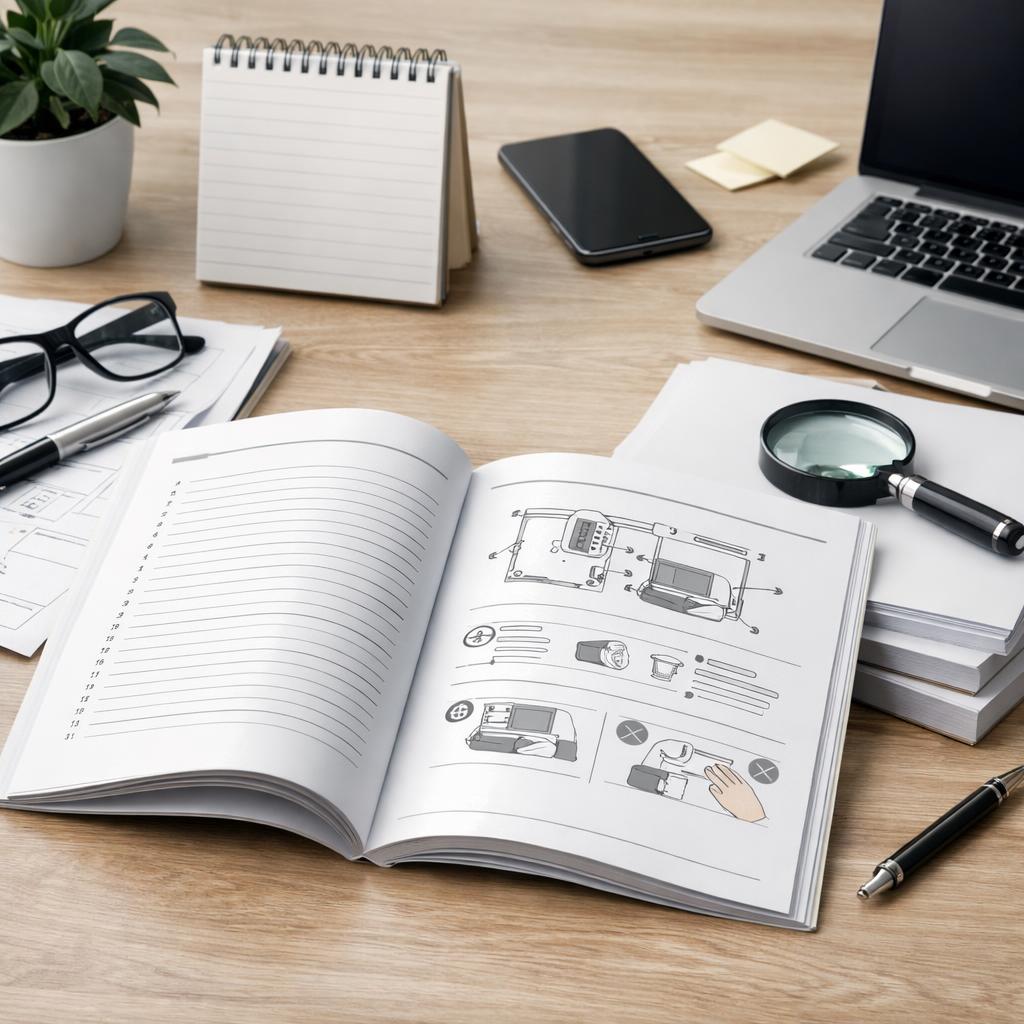
A user manual guide is a structured document that explains how a product works, how to set it up, how to use it, how to maintain it, and what to do when something goes wrong. It matters because most users do not want to experiment their way through a product. They want clear directions, quick answers, and steps they can trust.
When instructions are easy to scan and follow, users can solve routine problems on their own. That means fewer onboarding delays, fewer avoidable returns, and fewer repetitive support tickets. Good documentation also makes your brand look more reliable because it shows you understand what users need at each stage.
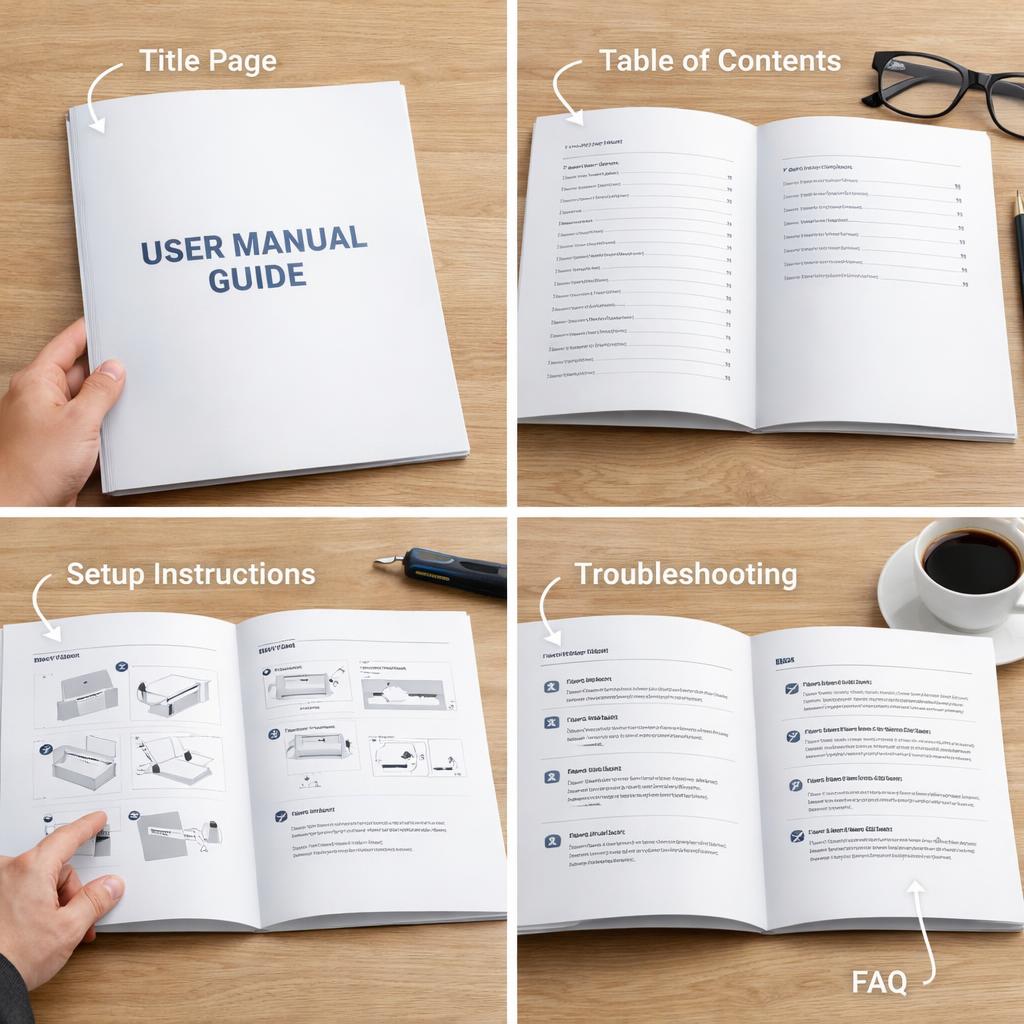
The exact format will vary by product, but most manuals work best when they follow a clear order. A practical user manual guide template usually moves from basic context to setup, daily use, and problem-solving.
Safety information should appear before any task that could create risk or damage. Setup instructions should be written in the exact order users need to follow. Troubleshooting works best when it connects a specific issue with a likely cause and a practical fix. FAQs are useful for quick answers and often reflect the most common questions your support team already receives.
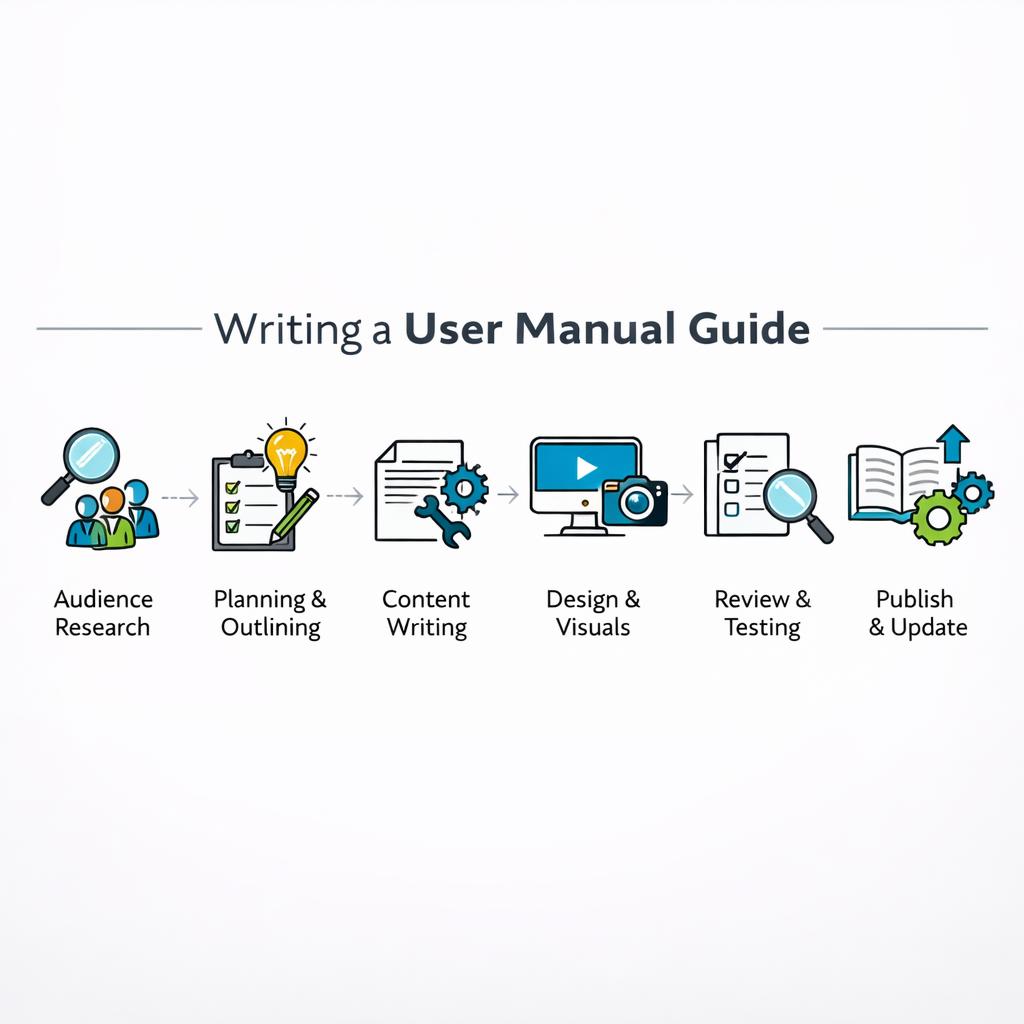
If you want best practices for a user manual guide, start with the user rather than the product itself. Think about what people are trying to accomplish, then write instructions around those real tasks.
Begin by identifying who the guide is for and what they already know. Then list the main tasks they need to complete, such as installing, signing in, assembling, updating, or troubleshooting. Use direct verbs, short sentences, and clear sequences. Strong user manual guide examples avoid unnecessary jargon, explain unfamiliar terms, and make each step specific enough that users can act on it immediately.
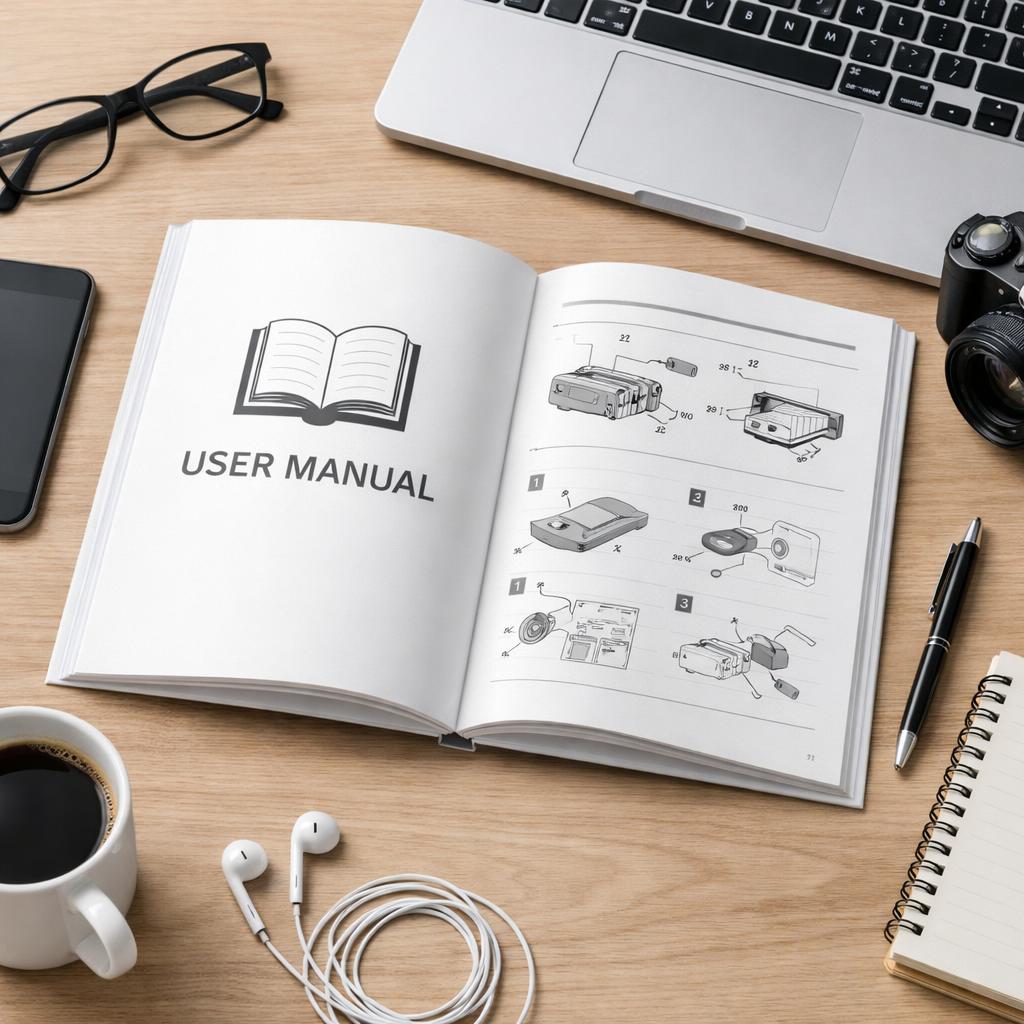
Formatting matters just as much as the wording. Most readers scan first, so your structure should help them find the right section quickly. If the guide is published online, good formatting also improves search visibility and readability.
Use descriptive headings, short paragraphs, and bullet points where they make information easier to absorb. Add screenshots, diagrams, or callouts when text alone may be confusing. Include relevant search phrases naturally, such as how to write a user manual guide, without forcing repetition. A strong heading structure helps both users and search engines understand the page.
Many manuals fail not because the product is difficult, but because the writing assumes too much. Missing context, inconsistent terms, and dense text can turn simple tasks into frustrating ones.
Avoid writing as if the reader is an internal expert. If a visual would remove confusion, include it. Another common mistake is mixing setup, troubleshooting, and reference content together without clear sections. A well-organized manual saves time because users can find the answer they need without reading everything.
The best format depends on how often your content changes and where users expect to access it. Many teams use a standard template along with review workflows and version control.
PDFs are useful for static products, printed inserts, or downloadable instructions. Knowledge base platforms are better for searchable, fast-changing content. Documentation software is helpful when several contributors need approvals, collaboration, and content reuse. You can also connect related resources with anchor text such as user documentation best practices or technical writing template for product instructions inside a larger help center.
A clear user manual guide makes products easier to use and easier to support. By focusing on user goals, essential sections, readable formatting, and plain language, you can create documentation that saves time and increases confidence. The most effective manual is not the longest one. It is the one users can follow quickly and successfully.
It should include a product overview, setup instructions, operating steps, safety information, troubleshooting advice, FAQs, and support details. The exact sections depend on the type of product.
It should be only as long as needed to help users complete tasks clearly and correctly. A simple product may need a short guide, while a more advanced product may need a longer one.
A user manual guide usually focuses on instructions, operation, and troubleshooting. A product guide may be broader and include feature summaries, comparisons, or general product information beyond day-to-day use.
This author has not provided a bio yet.
May 13, 2026

May 13, 2026

May 12, 2026