

How to Cast a Baitcast Reel Without Backlash
May 13, 2026

A practical recycling guide makes daily waste sorting much easier and helps you avoid the mistakes that send good materials to landfill. If you have ever been unsure about what belongs in a curbside bin, what should stay out, or how to recycle household waste the right way, start with three basics: follow local rules, keep items clean and dry, and use drop-off programs for special waste. This guide offers a simple, useful starting point for better recycling at home.
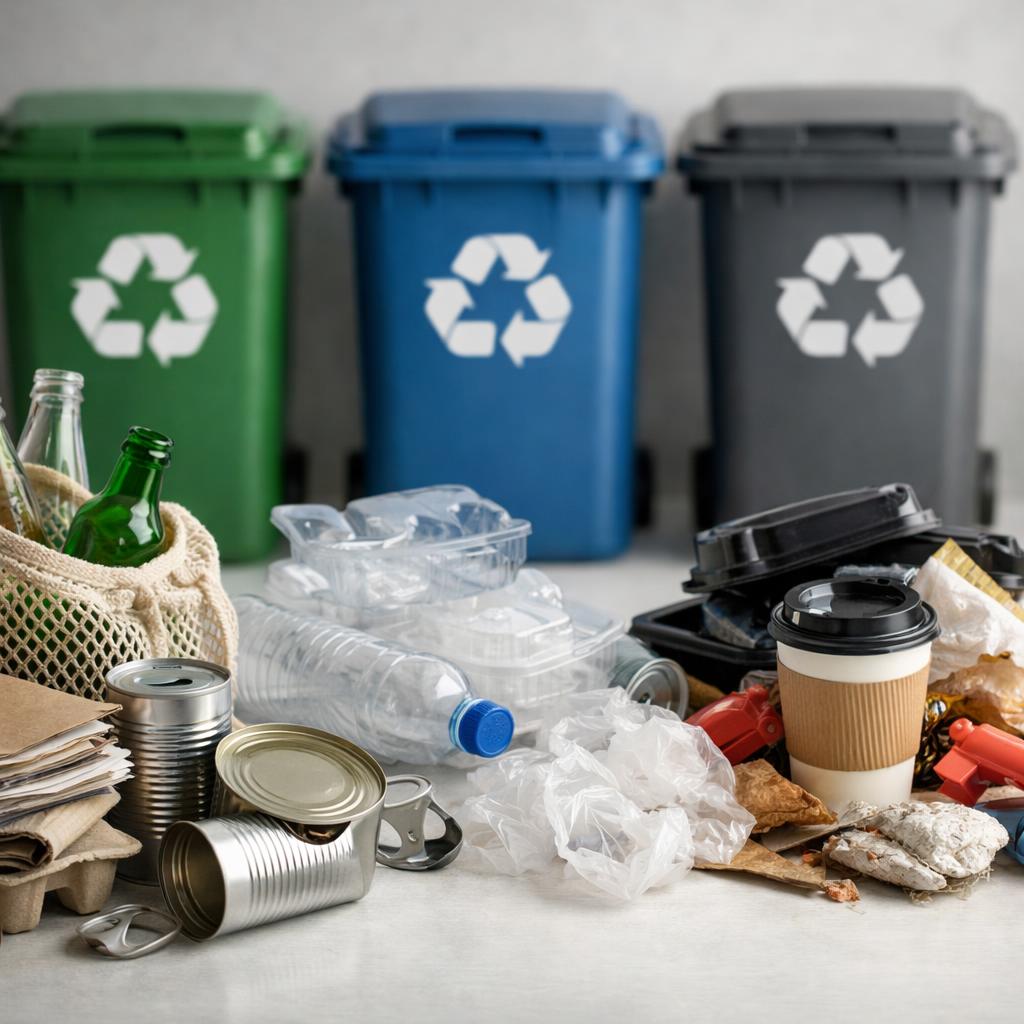
Most people want to recycle more, but confusion gets in the way. A clear system reduces contamination, improves the chance that materials will actually be recycled, and turns recycling into an easy habit instead of a guessing game. For homeowners, renters, and busy families, the smartest approach is to learn the common accepted items first, then check local exceptions.
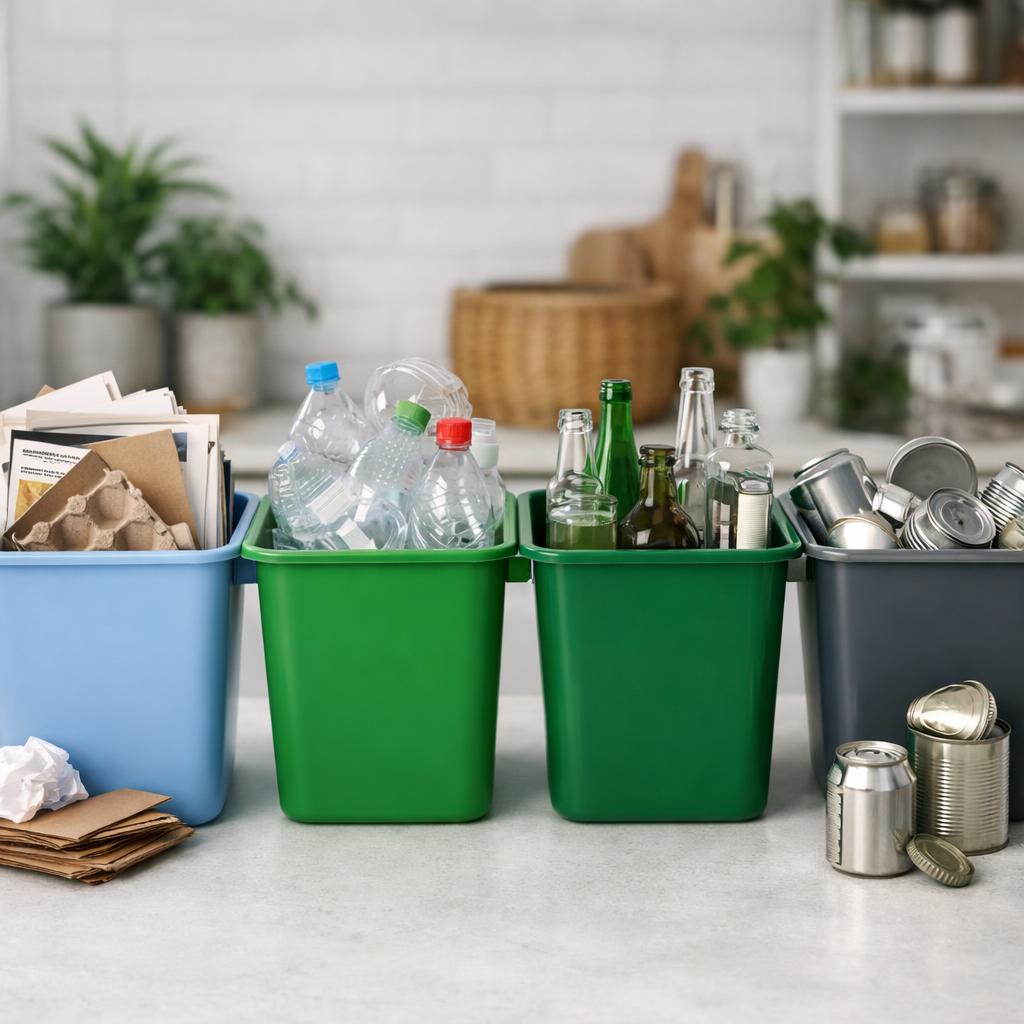
Most household recycling programs collect paper, cardboard, metal cans, glass containers, and certain plastic containers. After collection, these materials are sorted and sent for processing so they can be turned into new products. A reliable recycling guide for home starts with one simple rule: put only accepted items in the bin.
Recycling rules vary because local facilities use different equipment and accept different materials. One city may collect glass at the curb, while another may ask residents to bring it to a drop-off site. That is why checking your local recycling guidelines is one of the best habits you can build.
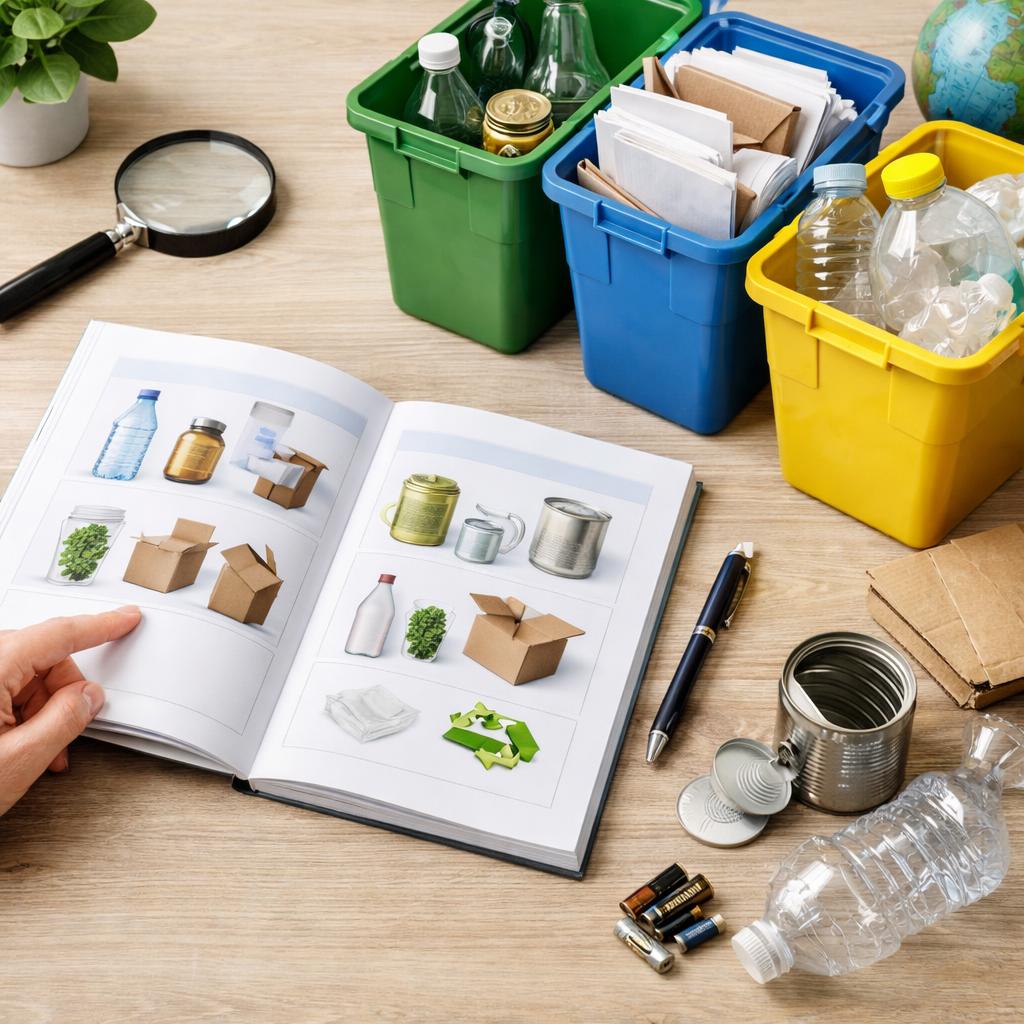
While every program is a little different, several materials are commonly accepted. Always empty containers first and prepare them based on local instructions.
Commonly accepted items include newspapers, junk mail, printer paper, cereal boxes, and corrugated cardboard. Keep paper clean and dry, and flatten boxes to save space. Avoid paper that is heavily stained with grease or food.
Many programs accept plastic bottles, jugs, and tubs from drinks, soap, detergent, and food packaging. A quick rinse is usually enough. If you are unsure what can be recycled in curbside bins, stick with rigid plastic containers and leave out plastic film, wrappers, and foam unless your local service accepts them.
Glass bottles and jars are often recyclable, along with aluminum cans and steel food cans. These materials are valuable when collected cleanly. Empty them first, and do not place broken ceramics, mirrors, or cookware in the bin unless your area specifically allows it.
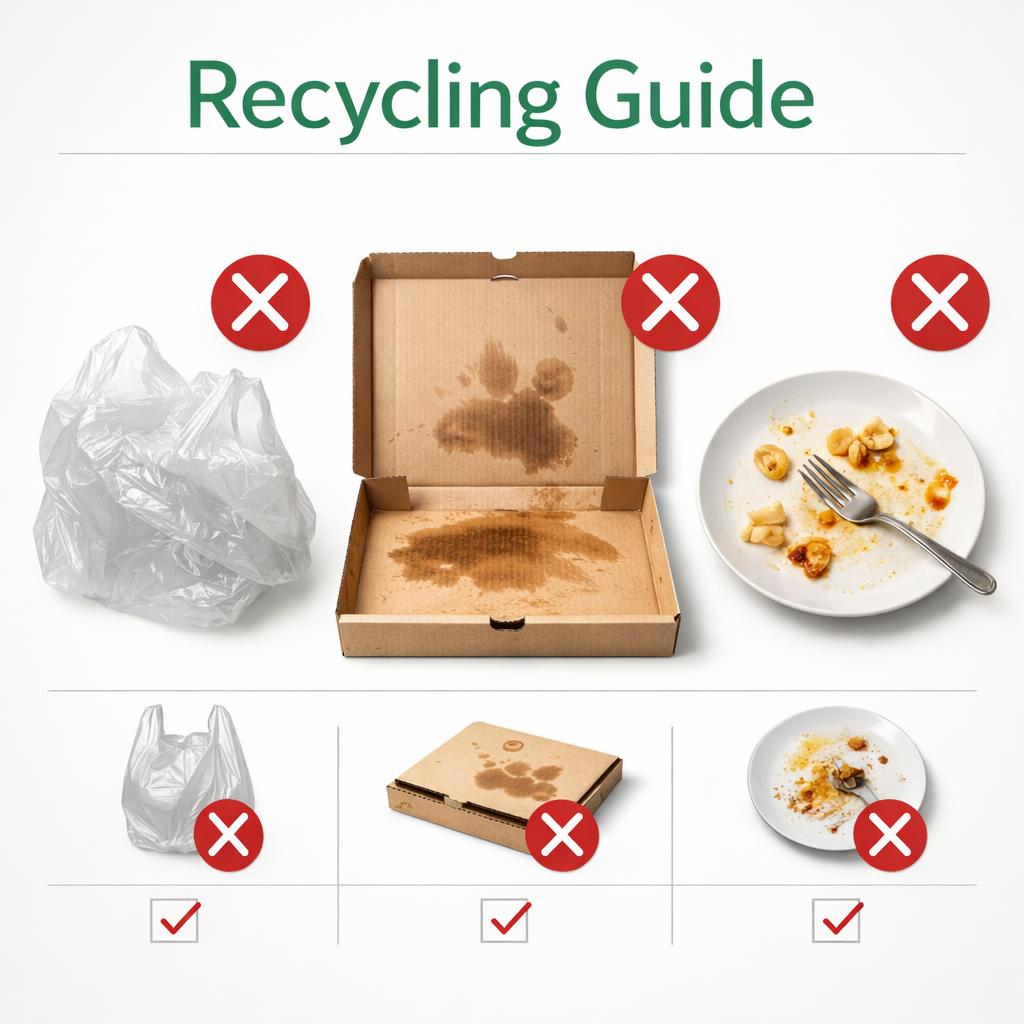
Knowing what stays out of the bin is just as important as knowing what goes in. Many recycling loads are rejected because of a few problem items.
Greasy pizza boxes can damage paper recycling, plastic bags can jam sorting machines, and cords or hoses can wrap around equipment. These are common recycling mistakes to avoid because they create delays, extra costs, and contamination.
Recyclables do not need to be spotless, but they should be mostly empty and lightly rinsed. Mixed-material items, such as plastic-lined cartons or paper-and-foil packaging, are often harder to process. When in doubt, check local guidance before adding them to the bin.
Set recycling up where waste happens most often, such as the kitchen, bathroom, or home office. Small bins and clear labels help everyone sort correctly. A quick rinse habit after meals also makes it easier to recycle household waste correctly without odors or sticky messes.
Some materials should never go in curbside bins but can still be recycled through special programs. This often includes batteries, electronics, textiles, and plastic bags.
Check for local drop-off centers, retailer take-back programs, e-waste events, clothing recovery bins, and store collection points for plastic bags and film. These items require separate handling for safety and proper processing. Keeping them out of curbside bins is an essential part of any dependable recycling guide.
This recycling guide works best when you keep it simple: recycle accepted paper, cardboard, metal, glass, and selected plastics; keep everything clean and dry; and use drop-off programs for items like batteries, electronics, textiles, and bags. By following local rules and avoiding contamination, you can make smarter daily choices and build better recycling habits over time.
Most curbside programs accept paper, cardboard, aluminum cans, steel cans, glass bottles or jars, and plastic bottles, jugs, and some tubs. Because local rules vary, it is always best to confirm what your area accepts.
Yes, but only lightly. Containers should be empty and quickly rinsed so leftover food or liquid does not contaminate other recyclables.
Use approved drop-off sites, retailer take-back programs, or local collection events for batteries and electronics. These items should not be placed in standard curbside recycling bins.
This author has not provided a bio yet.
May 13, 2026
May 13, 2026

May 12, 2026