

How to Cast a Baitcast Reel Without Backlash
May 13, 2026

If you are looking for straightforward answers about youtube and video download, start with one key distinction: watching a video offline inside an app is not always the same as saving a video file to your device. Most people simply want to watch later on a flight, during a commute, or in places with weak service. In many cases, official offline viewing options are the easiest place to begin because they are built around platform settings, creator permissions, and device support.
This guide explains how YouTube and video downloads work in real use, what to check before saving anything, and why features can vary by app, phone, tablet, browser, region, or subscription. It also covers common questions such as how to download YouTube videos for offline viewing, youtube offline viewing vs video download, and the best way to save online videos on mobile without running into unnecessary issues.
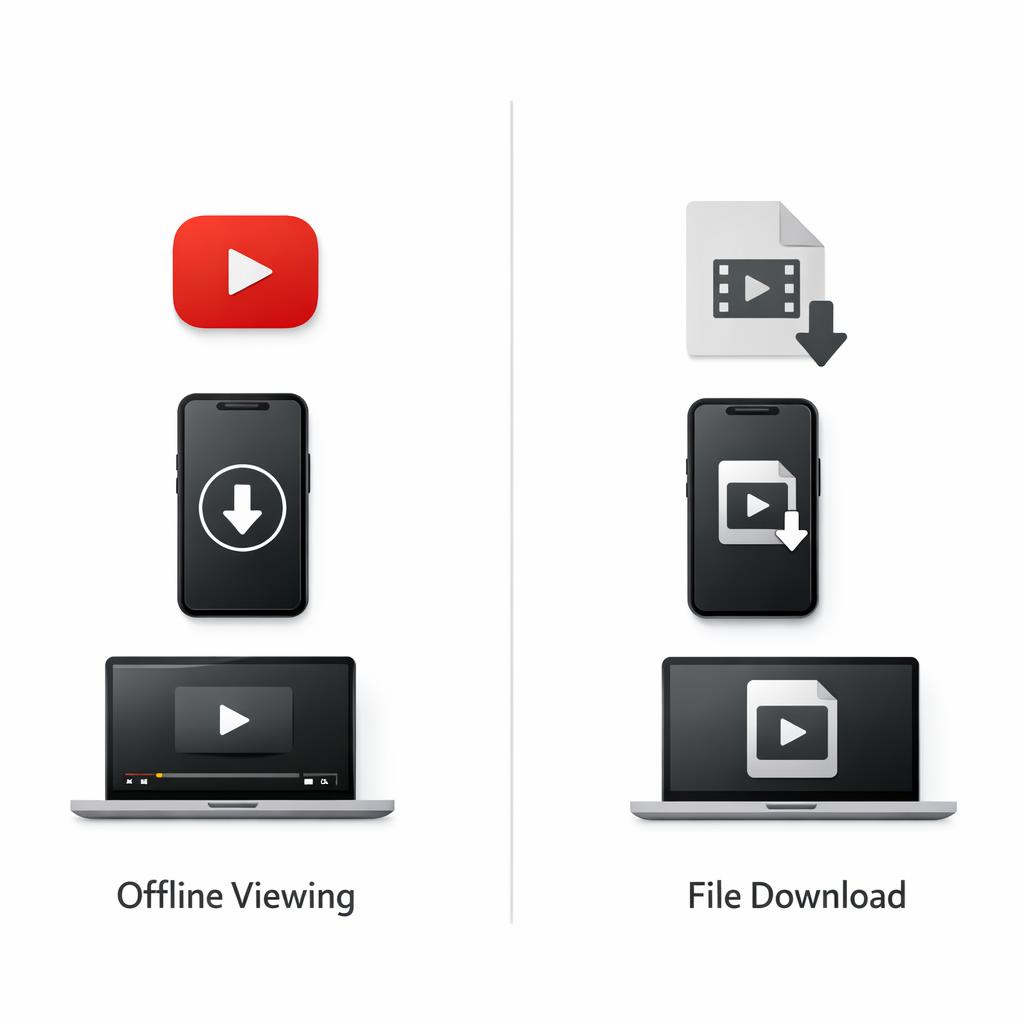
For most viewers, youtube and video download refers to one of two things. The first is offline viewing inside a supported app, where the video is kept for later playback under that app’s rules. The second is downloading a separate video file, which is a different action and may not be available unless the platform, creator, or license clearly allows it. That difference matters because playback rights, sharing options, editing access, and storage behavior are not the same.
In everyday life, users usually care more about convenience than technical details. A student may want lectures ready before entering a low-signal classroom. A traveler may want movies or long videos for a flight. Someone with a limited data plan may want to avoid streaming on mobile. In all of these cases, the easiest path is often to use the platform’s built-in feature first and confirm that the uploader allows that kind of access.
Offline viewing usually means the app stores a protected copy that only works inside that app. You may not be able to move it to another device, open it in a media player, or upload it elsewhere. A file download, on the other hand, is usually a standalone video saved to local storage. That can offer more flexibility, but it also brings more questions about permission and allowed use.
That is why people asking whether it is legal to download videos from YouTube do not always get a simple yes-or-no answer. The answer depends on the source, the rights attached to the content, and the method used to save it. Official offline features are generally the lower-risk choice for personal viewing because they are designed to work within approved access. If you are considering a file download, make sure the platform or rights holder clearly permits it.
The best option is usually the one provided directly by the service or app you already use. If a video platform includes a save-for-later or offline mode, that is often the simplest and most reliable way to prepare for a time without internet access. It can also handle quality settings, storage limits, and automatic cleanup for you. For many people, this is the practical answer to the best way to save online videos on mobile: use the built-in option first when your goal is personal playback.
Another useful route is to look for videos that come with clear download permission from the creator, publisher, school, or media provider. Some learning platforms, public-domain archives, and licensed libraries offer direct downloads or app-based offline access. When that permission exists, it is usually stated clearly on the page or in the service instructions. If it is not obvious, it is best to pause and verify before saving anything outside the platform.
Official app features are usually the better choice when you want a quick setup, fewer playback problems, and a smoother experience across devices. They often let you pick video quality, manage storage more easily, and keep your viewing history in sync. That can be especially helpful on phones and tablets where space is limited and manually stored files become hard to manage.
Built-in tools also reduce the chance of saving a format that does not play well on your device. They are often the safest option when access depends on account status, subscription level, or regional availability. Since features can vary across iPhone, Android, tablets, smart TVs, and desktop browsers, using the platform’s own method is usually the least complicated path when it is available.
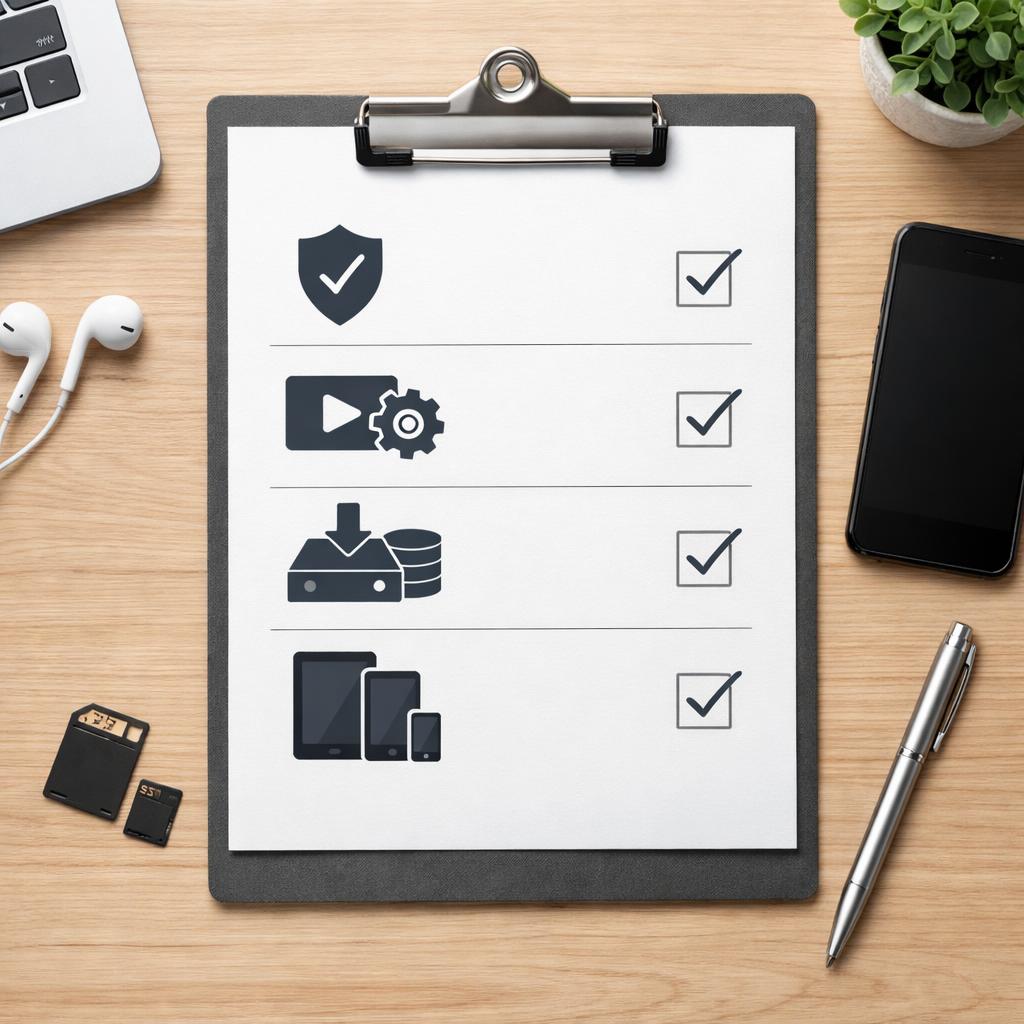
Before saving any video, review three basics: permission, playback limits, and device support. Start with rights. Does the platform allow offline access for that specific video? Has the creator or publisher given download permission? If you are not sure, that is a sign to stop and review the relevant video permissions. Then look at quality and storage. Higher resolution uses much more space, and some services limit quality choices based on settings, membership level, or connection type.
Next, confirm compatibility. Some saved items work only inside one app, with one account, or for a limited period before the app needs to reconnect for verification. Others may not transfer between devices at all. This is important if you are comparing youtube offline viewing vs video download and trying to decide which one fits your needs. A quick check upfront can save you from using the wrong method, filling your storage, or discovering too late that the video will not play when you need it.
Permissions should always come first because even an easy method can still fall outside the allowed use of the content. Quality comes next because a lower setting may be perfectly fine on a phone but disappointing on a larger screen. Compatibility is the final check because some offline copies expire, some require sign-in, and some may be unavailable in certain regions or app versions.
A simple checklist helps: confirm the source is legitimate, verify that the platform or creator allows saving, choose a quality level that matches your storage, and test playback before travel or offline use. That keeps youtube and video download decisions practical, predictable, and better aligned with how the content is meant to be accessed.
Understanding youtube and video download options starts with one simple idea: offline viewing inside an official app is usually different from downloading a standalone video file. For most people, the easiest and safest route is to use the platform’s own offline tools or choose content that clearly includes download permission. That approach supports creators, reduces confusion about rights, and usually works more smoothly across phones, tablets, and other devices.
If you are deciding how to download YouTube videos for offline viewing, first check whether offline playback is offered directly in the service you use. Then review permissions, storage, quality, and device compatibility before saving anything. A few quick checks can help you watch later with fewer surprises and a much clearer sense of what is allowed.
Often, the better question is whether the platform offers an approved offline feature or whether the rights holder has clearly allowed downloading. If a video can be saved through an official app feature, that is usually the simplest option for personal offline viewing. Availability may still vary by device, region, app version, and subscription.
Saving offline usually means the video stays inside the app for later playback under that app’s conditions. Downloading the actual file usually means a separate video file is saved to your device and may come with different permissions, usage limits, and compatibility rules. Always check the source and the allowed use before deciding between the two.
This author has not provided a bio yet.
May 13, 2026

May 13, 2026
May 12, 2026